A living space can look expensive or careless before anyone notices the sofa. The walls set the mood first, and the wrong choice can make even good furniture feel lost. That is why style trends matter less as decoration gossip and more as a way to shape how a room feels every day. You are not choosing paint, panels, shelves, art, or texture in isolation; you are deciding how your home speaks before you say a word. A warm limewash wall can soften a hard-edged room. A framed print grid can give a plain rental the confidence of a collected home. Even a narrow hallway can gain character when the wall treatment has purpose. For homeowners, renters, and design-minded readers looking for useful home ideas, a trusted digital publishing network can help surface fresh inspiration without turning every room into a copy of the same social media look. The goal is not to chase every passing idea. The goal is to choose wall choices that make daily living feel more grounded, personal, and alive.
Walls That Shape the Room Before Furniture Does
A room does not begin with the couch, no matter how tempting that shopping order feels. Walls create the first layer of scale, warmth, light, and tension, so they deserve the earliest decisions. When you treat walls as background, the room often ends up looking assembled rather than designed. When you treat them as structure, even simple furniture starts to look intentional.
Warm wall colors that make daily living easier
Color has moved away from cold whites that photograph clean but feel stiff after sunset. Warm wall colors now carry the room without shouting, especially in spaces where people eat, talk, read, and rest. Clay, oat, mushroom, soft terracotta, muted olive, and smoky beige have a lived-in quality that plain white rarely gives.
A good example is a small living room with low winter light. Bright white may seem like the safe choice, yet it can turn gray and flat by late afternoon. A warm greige or pale ochre handles that same light with more kindness, making lamps, wood tones, and woven textures feel connected instead of scattered.
This is where many people get color wrong. They pick a shade from a screen, then blame the room when it feels off. Paint belongs to light, not to a fan deck. Test it in the morning, afternoon, and under lamps before giving it an entire wall.
Accent walls with restraint and purpose
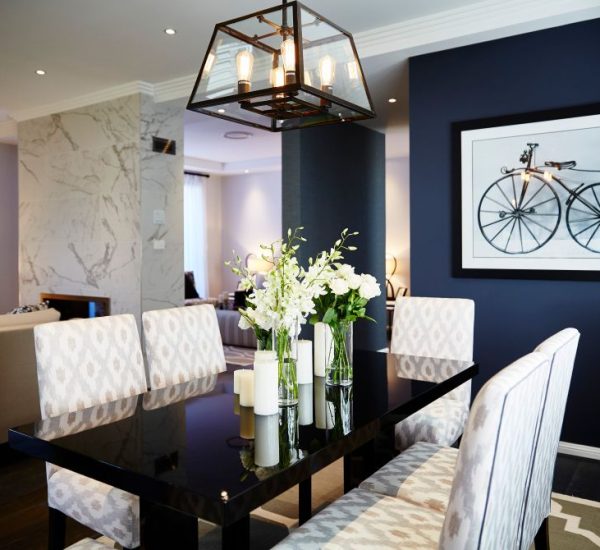
Accent walls still work, but the old version has lost its charm. One loud wall behind a television often feels like a shortcut rather than a choice. The better version uses an accent wall to solve something: a weak focal point, a long blank surface, a dining nook that needs identity, or a bedroom that needs depth.
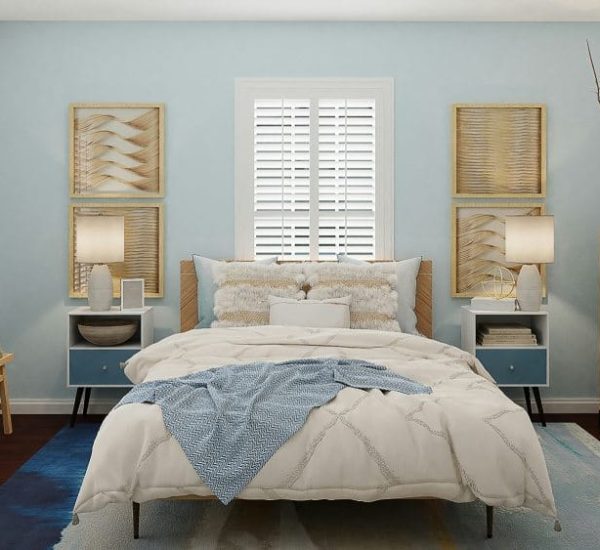
A deep green wall behind open wooden shelves can make books, ceramics, and framed photos feel anchored. A soft plaster finish behind a bed can replace the need for an oversized headboard. A narrow wall in an entry can hold darker paint, a mirror, and a small console without making the rest of the home feel heavy.
Restraint does not mean timid. It means the wall has a job. When the accent wall answers a real design problem, it feels confident rather than decorative noise.
Texture Is Replacing Flat Decoration
Color can change a room fast, but texture changes how a room behaves. Flat walls often need more furniture, more art, and more styling to feel complete. Textured walls do some of that work quietly. They catch light, soften echo, and give the eye something to read without crowding the space.
Textured wall finishes for quiet depth
Textured wall finishes have become popular because they create depth without demanding attention. Limewash, Roman clay, mineral paint, plaster skim coats, and subtle trowel effects all add movement that shifts during the day. The wall looks different under morning light than it does beside a lamp at night.
That shifting quality matters in rooms used across many hours. A living room cannot only look good at noon. It needs to hold up during coffee, work calls, late dinners, and slow evenings. Texture gives the room a pulse without needing another shelf, another print, or another object.
A counterintuitive truth sits here: the more texture a wall has, the less decoration it may need. A beautiful plaster wall with one strong artwork can feel richer than a flat wall covered with six pieces trying to create interest. Sometimes the quiet surface wins.
Natural materials that bring warmth without clutter
Natural materials have become a serious part of wall design because they add warmth without the mess of over-styling. Wood slats, cork panels, woven wall pieces, stone veneer, grasscloth, and clay-based finishes all bring physical character into the room. They make a space feel touched by hand.
A media wall with narrow oak slats can calm the harshness of a black screen. A cork-backed work corner can absorb sound while giving pins, notes, and small references a proper home. A grasscloth panel in a dining room can make plain chairs feel more refined without replacing them.
Natural materials also age better than many glossy finishes. Small marks on wood, plaster, or woven surfaces often become part of the room’s character. That is not a flaw. It is one reason these choices feel better for living than showroom-perfect surfaces.
Art, Shelving, and Objects Are Becoming More Personal
Once the wall surface has mood and depth, the next layer is what you place on it. This is where homes often split into two camps: empty walls that feel unfinished, or crowded walls that feel anxious. The stronger path sits between those extremes. Your walls should show taste, memory, and rhythm without turning the room into a storage board.
Gallery wall ideas that feel collected, not staged
Gallery wall ideas have grown up. The old formula of matching black frames in a tight grid still works in some homes, but it can feel stiff when every piece has the same size and tone. A better gallery wall feels collected over time, even when you plan it in one afternoon.
Start with one anchor piece that carries emotional or visual weight. It might be a large photograph, a textile, a vintage print, or a drawing from someone you love. Build around it with smaller works, leaving enough breathing room so each piece earns attention. The wall should feel like a conversation, not a spreadsheet.
The unexpected move is to include one odd piece. A tiny frame, a ceramic wall charm, a postcard, or a narrow landscape can break the polished rhythm. That small disruption often makes the whole arrangement feel human.
Display shelves that edit your life instead of storing it
Display shelves can either improve a wall or expose every weak habit in the room. Open shelving on walls should not become a public junk drawer. It works best when it edits your life down to objects worth seeing: a few books, a bowl, a framed piece, a plant, a small lamp, or one strange object with a story.
A short floating shelf above a reading chair can hold more charm than a full wall of crowded ledges. Scale matters. If the shelf is too thin, objects look nervous. If it is too deep, the wall starts acting like furniture and may crowd the room.
This is where style trends can mislead people. Shelves in photos often look full because the image needs visual interest. Your home needs room to breathe. Leave empty space on the shelf, and the objects you keep will look chosen rather than abandoned there.
Small Wall Decisions Can Change How a Home Feels
Large wall treatments get attention, but small decisions often change daily life more. Trim color, picture height, mirror placement, lighting, and even switch plates can improve how finished a room feels. These details do not ask for a full remodel. They ask for care.
Wall lighting ideas that make rooms feel finished
Wall lighting ideas deserve more respect because they change both function and mood. Sconces, picture lights, plug-in wall lamps, and slim reading lights can make a room feel layered without taking floor space. They also help walls come alive after dark, when overhead lighting often turns flat and harsh.
A pair of plug-in sconces beside a sofa can make a rental living room feel designed without electrical work. A picture light above one large artwork can give the wall a focal point at night. A small swing-arm lamp beside a reading chair can make an unused corner feel claimed.
The trick is to avoid treating wall lighting as jewelry alone. A beautiful sconce placed too high, too low, or too far from where you sit becomes decoration with a cord. Put light where life happens, and the wall will work harder for you.
Mirrors, trim, and scale choices that fix awkward rooms
Mirrors can help a room, but they are not magic windows. A mirror facing clutter doubles the clutter. A mirror facing light, greenery, art, or an open sightline can make the room feel wider and calmer. Placement matters more than size.
Trim color offers another quiet fix. Painting baseboards and doors the same color as the walls can make a small room feel less chopped up. Using a slightly deeper tone on trim can add outline and polish in a larger space. Neither choice needs to be dramatic to work.
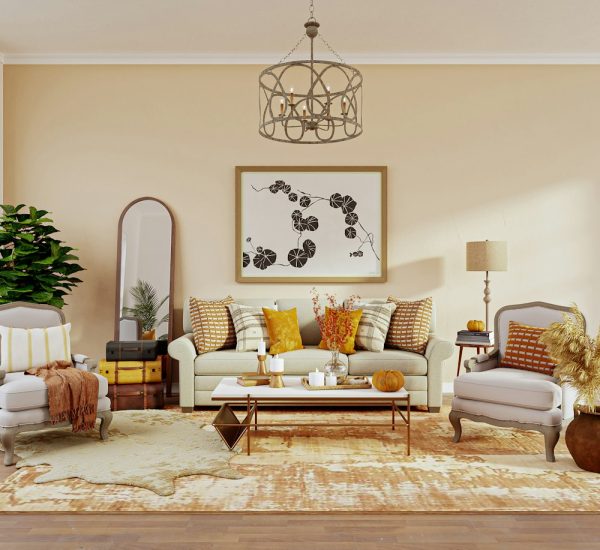
Scale may be the most overlooked wall decision. Hang art too high and the room feels uneasy. Choose pieces too small and the wall looks apologetic. One large piece often beats four timid ones, especially above a sofa, console, or bed. Confidence has a size.
Walls are not passive surfaces waiting for decoration. They are the emotional frame of the home, and they decide whether a space feels sharp, warm, restless, calm, cheap, rich, personal, or forgettable. The best style trends are not the ones that look loud online; they are the ones that help you live better in the room after the camera leaves. Choose one wall that bothers you most, then give it a clear role: soften the light, hold art, add texture, frame a seat, or bring warmth into a dead corner. Do not redesign everything at once. Make one strong wall decision, live with it, and let the next choice respond. That is how a home gains character without becoming a showroom. Start with the wall you notice first when you walk in, and make it say something worth coming home to.
Frequently Asked Questions
What are the best wall style ideas for a small living room?
Warm paint, one large artwork, slim shelves, and wall-mounted lighting work well in a small living room. Avoid tiny scattered decorations because they make the wall feel busy. A single confident focal point usually gives the room more depth than several small pieces.
How do textured wall finishes improve a living space?
Textured wall finishes add depth by catching light in soft, uneven ways. They help a plain room feel warmer and more finished without adding clutter. Limewash, plaster, and mineral paint are strong choices when you want character without heavy pattern.
Which warm wall colors work best for modern homes?
Soft clay, muted olive, sandy beige, mushroom, oat, and pale terracotta work well in modern homes. These colors pair easily with wood, linen, stone, black accents, and natural fibers. They also feel calmer than stark white in rooms used throughout the day.
Are gallery wall ideas still popular for living rooms?
Gallery wall ideas still work when they feel personal rather than copied. Mix sizes, frame styles, and meaningful pieces while keeping enough space between them. The best gallery walls look collected, not staged, and they should match the room’s mood.
How can wall lighting ideas make a room feel more expensive?
Wall lighting ideas add layers that overhead lights cannot create. Sconces, picture lights, and reading lamps bring warmth to vertical surfaces and make furniture feel placed with purpose. Good lighting also makes art, texture, and color look richer after dark.
What natural materials work well on interior walls?
Wood slats, cork, grasscloth, clay plaster, woven panels, and stone accents work well on interior walls. These materials add warmth and texture without needing heavy decoration. They also pair well with simple furniture because they bring character into the surface itself.
Should every room have an accent wall?
Every room does not need an accent wall. Use one only when it solves a design problem, such as creating a focal point or defining a zone. A random bold wall can feel disconnected, while a purposeful one can make the whole room feel stronger.
How do I choose wall decor that does not look cluttered?
Choose fewer pieces with more presence. Start with one anchor item, then add smaller objects only if they support the mood. Leave open space around art, shelves, and mirrors so the wall feels edited instead of crowded.