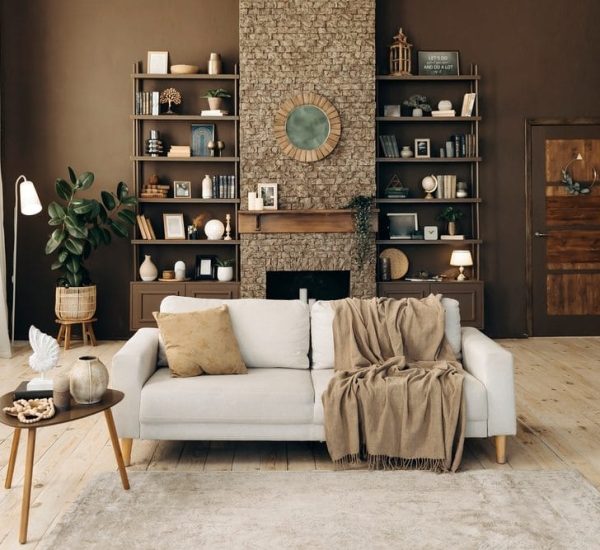
A room can feel tired long before the furniture wears out. The walls usually give it away first, because they hold the color, texture, light, and mood that shape everything else you notice. Thoughtful style updates can make a plain space feel edited, warm, and personal without turning your home into a showroom. The trick is knowing what to change, what to leave alone, and where a small choice will carry more weight than an expensive one.
Walls are not background filler. They are the largest visual surface in most rooms, which means they quietly decide whether your sofa looks polished, your art feels intentional, and your lighting lands with softness instead of glare. Good wall decor updates do not chase every passing trend; they sharpen the room’s identity so it feels lived in, current, and steady. A smart approach also gives you room to grow, because the best interiors never feel frozen. They feel ready for the next good idea.
Style Updates That Start With Better Wall Choices
A strong room rarely begins with buying more things. It begins with noticing what the walls are already doing to the space, because color, finish, scale, and emptiness can either support the room or quietly drain it. The best updates often look simple after they are done, but they work because they solve the right problem first.
Wall decor updates that change the mood before the furniture moves
Paint is the obvious place to start, yet most people rush the color choice and ignore the finish. A chalky warm white, a soft clay tone, or a muted green can calm a room, but the wrong sheen can make even a beautiful color look cheap under evening light. Matte finishes hide flaws and soften glare, while satin finishes can work better in busy areas where fingerprints and cleaning matter.
Wall decor updates should begin with how the room behaves during the day. A north-facing room may need warmth because the light already feels cool, while a sunny room can handle deeper tones without feeling heavy. This is where people get into trouble: they choose a color from a tiny sample in a store, then wonder why it looks flat at home. Paint belongs to light, not to a fan deck.
A better move is to test fewer colors across larger patches and watch them at morning, afternoon, and night. One wall may look calm in daylight and muddy after sunset. Another may look plain at noon but rich under lamps. That small waiting period saves you from repainting and helps the room feel chosen, not guessed.
Interior wall design that makes empty space feel intentional
Blank walls are not a design failure. Randomly filled walls are. A quiet wall can give the eye a place to rest, especially in a room with patterned rugs, open shelving, or bold furniture. The goal is not to cover every surface; the goal is to decide which wall deserves attention and which one should stay calm.
Interior wall design works best when you think in zones. A dining wall might need one strong piece of art, while a hallway may need a narrow gallery that rewards movement. A bedroom wall behind the bed can take texture or paneling because it already acts as a natural focal point. The mistake is treating every wall the same when each one has a different job.
Scale matters more than people admit. A tiny frame floating above a large sofa looks nervous, while one oversized print can make the same sofa look settled. When in doubt, go larger, lower, and more connected to the furniture beneath it. Walls look better when they belong to the room instead of hovering over it like afterthoughts.
Walls And Style Updates That Add Texture Without Clutter
Once color and layout feel settled, texture becomes the difference between a room that looks fine and one that feels finished. Texture gives walls a physical presence, even when the palette stays quiet. This does not mean every surface needs a dramatic treatment. It means one or two well-placed materials can make the room feel layered without making it busy.
Modern wall finishes that bring depth to plain rooms
Modern wall finishes have moved far beyond glossy accent walls and loud patterns. Limewash, microcement, plaster-style paint, wood slats, and fabric panels can give a room character without shouting. The best version depends on the room’s purpose. A living room can carry soft movement, while a workspace often needs a cleaner finish that keeps the mind clear.
Limewash is a good example because it feels alive in changing light. It has variation, but not chaos. In a small reading corner, a muted limewash wall behind a chair can make the whole space feel calm and grounded. In a larger room, the same finish may work better on one plane rather than every wall, because too much movement can tire the eye.
Modern wall finishes also need restraint around furniture. If the wall already has texture, the furniture can stay simple. If the furniture is rich with pattern or curved shapes, the wall treatment should step back. Good rooms are rarely made from every element competing to be the star. One confident lead is enough.
Room style ideas that use contrast instead of more decoration
Contrast does not always mean black against white. It can mean smooth beside rough, matte beside shine, old beside new, or plain beside detailed. A flat painted wall behind a woven headboard can feel richer than a wall packed with frames. A simple plaster finish near a clean-lined metal lamp can give both pieces more presence.
Room style ideas become stronger when contrast supports a feeling. A family room may need warmth, so contrast might come from linen curtains against painted trim. A hallway may need energy, so a narrow stripe, framed textile, or darker ceiling edge can bring movement. These choices work because they shape the experience of walking through the space.
The counterintuitive truth is that less decoration can create more style when the materials carry enough weight. A single textured wall, a low bench, and one good lamp can outperform a crowded console covered in objects. The wall sets the tone, and the room breathes because it is not trying so hard.
Making Wall Color, Art, and Lighting Work Together
A wall update succeeds or fails under light. Color changes under bulbs, art changes under shadows, and texture changes when daylight moves across it. This is why a room can look balanced at noon and awkward at night. The wall is not the issue by itself; the relationship between surface and light is.
Interior wall design for rooms that shift from day to night
Rooms do not live under one condition, so your wall choices should not depend on one perfect moment. A kitchen may look clean in morning light but cold after sunset. A bedroom may look soft in the evening but dull during the day. Interior wall design gets better when you plan for the hours you use the room most.
Warm bulbs can save a cool wall from feeling harsh, while cooler bulbs can make cream paint look dusty. Lamps placed too high can flatten texture, and recessed lighting can create sharp shadows on imperfect walls. A shaded table lamp near a textured finish often does more for atmosphere than a ceiling fixture ever could.
Art also needs lighting that respects it. A framed print near a window may fade or glare, while a painting in a dim corner may disappear. You do not need gallery-level lighting for a home, but you do need to notice whether the wall still looks good after dark. A room that only works at noon is not finished.
Wall decor updates that make art feel collected, not scattered
Art placement is where many rooms lose their nerve. People hang pieces too high, spread them too far apart, or buy matching sets that remove all personality. A wall should feel collected over time, even when you choose everything in one weekend. That means mixing scale, leaving breathing room, and letting one piece carry the main note.
Wall decor updates can be as simple as lowering artwork so it relates to the furniture. Art above a sofa should feel connected to the seating area, not stranded near the ceiling. A gallery wall should have a shared logic, whether that logic is color, frame finish, subject, or spacing. Without that logic, it reads as visual noise.
One useful rule is to build from the strongest piece outward. Start with the item that has the most personality, then let smaller pieces support it. This approach keeps the wall from looking like a store display. It feels human, which matters more than perfect symmetry.
Creating Flexible Spaces With Wall Details That Last
The best wall choices do not trap you in one look. They give the room enough character to feel designed, but enough flexibility to handle new furniture, seasonal changes, and shifting taste. Your walls should make future choices easier, not force every pillow and chair to obey a narrow theme.
Room style ideas for renters, small homes, and changing tastes
Permanent changes are not always possible, and that is not a design sentence. Peel-and-stick panels, removable wallpaper, framed fabric, oversized art, plug-in sconces, and tall leaning mirrors can shift a room without touching the bones of the space. In a rental, the smartest move is often to create the feeling of architecture where none exists.
Room style ideas for small homes need extra discipline because every wall carries more visual weight. A dark feature wall can make a bedroom feel deeper, but four dark walls in a cramped room may close it in. A mirror can widen a narrow space, but only when it reflects something worth doubling. Reflecting clutter only gives you twice the problem.
Changing tastes also deserve respect. You may love bold pattern now and want calmer walls later. That does not mean you should avoid personality; it means you should place risk where it is easy to revise. Try bold wallpaper in a powder room, a painted arch in a workspace, or a strong art piece over a console. Let the room have a pulse without making every future update expensive.
Modern wall finishes that age with the room
Trendy walls date fast when they depend on shock. Finishes age better when they connect to material, craft, or atmosphere. Wood, plaster, stone, linen, and muted paint have staying power because they belong to the physical world rather than a passing feed. They do not beg for attention every time you walk in.
Modern wall finishes should also match the wear of real life. A hallway with children, pets, bags, and shoes may need washable paint or durable paneling. A quiet bedroom can handle softer surfaces. A dining room may benefit from a finish that looks richer in evening light, because that is when the room earns its keep.
The most practical test is simple: ask whether the wall will still make sense after you change the rug, swap the lamp, or move the chair. If the answer is yes, the update has range. If the whole room collapses without one matching accessory, the design is too fragile.
Conclusion
Walls hold more power than most rooms let on. They shape the light, frame the furniture, quiet the clutter, and tell the eye where to land. When you treat them as active design choices instead of leftover surfaces, even modest changes start to feel bigger than their cost.
The strongest style updates are not the loudest ones. They are the ones that make daily life feel better: a calmer bedroom wall, a richer dining corner, a hallway that finally feels considered, or a living room that looks settled without losing its warmth. Paint, art, texture, and lighting all matter, but the real skill is making them work together instead of fighting for attention.
Start with one wall that bothers you every time you enter the room. Study the light, choose the feeling you want, and make one confident change before buying anything else. A better space often begins with the surface you have been walking past for years.
Frequently Asked Questions
What are the best wall decor updates for a small living room?
Choose one main wall to carry the design instead of spreading small items everywhere. A larger artwork, soft paint color, slim shelves, or textured panel can make the room feel planned. Keep the other walls quieter so the space feels open rather than crowded.
How can interior wall design make a room feel bigger?
Use color, mirrors, and scale to guide the eye outward. Lighter walls can help, but placement matters more. Hang curtains higher, use larger art instead of tiny frames, and avoid breaking the walls into too many small visual sections.
Which modern wall finishes work best for bedrooms?
Soft matte paint, limewash, fabric panels, and subtle wood details work well because they add calm texture without visual stress. Bedrooms need rest more than drama, so choose finishes that look gentle under warm evening light and still feel clean in daylight.
What room style ideas work without repainting walls?
Large framed art, removable wallpaper, plug-in sconces, mirrors, textile hangings, and tall plants can shift the room without paint. Focus on scale first. One strong piece often changes the wall more effectively than several small decorations.
How often should you update wall colors in a home?
Update wall colors when the room no longer supports how you live, not because a trend changes. Many good colors can last years. Refresh sooner if the light feels wrong, the finish looks worn, or your furniture no longer works with the walls.
What is the easiest way to make plain walls look stylish?
Start with better proportion. Hang art at the right height, choose pieces large enough for the furniture, and add one layer of texture through lighting, fabric, or finish. Plain walls often need confidence, not clutter.
Are accent walls still a good idea for modern spaces?
Accent walls still work when they solve a design problem. They can anchor a bed, define a dining area, or add depth to a narrow room. They fail when they exist only because one wall felt empty and needed attention.
How do you choose wall updates that will not go out of style?
Choose materials and colors that connect to the room’s light, furniture, and daily use. Natural textures, muted tones, and well-scaled art tend to age better than loud patterns tied to a short trend cycle. Flexibility keeps a room fresh longer.