A room can look expensive and still feel wrong the moment the walls fall flat. Furniture gets the attention, but Walls And Style quietly decide whether a home feels warm, balanced, and finished. The right wall choices can make a narrow hallway feel intentional, soften a loud living room, or give a plain bedroom the kind of calm people usually chase through bigger purchases. That is why wall design deserves more respect than it gets.
Good walls do not need to shout. They need rhythm, texture, proportion, and a clear relationship with how you live. A painted accent wall can fail if it ignores the light. A gallery wall can feel messy if every frame competes for attention. Even beautiful wallpaper can look awkward when it fights the furniture instead of supporting it. Strong home wall design starts with restraint, then adds character where the room can carry it. Treat your walls as part of the architecture, not empty space waiting to be filled, and your home starts feeling more considered from the first glance.
Build the Room Around Wall Mood, Not Random Color
Walls set the emotional temperature before anyone notices the sofa, rug, or lamp. A soft clay shade can make a dining room feel settled, while a blue-gray wall can cool down a bright bedroom that gets harsh afternoon sun. This is where many homes go wrong: people pick a color they like in isolation, then wonder why the room feels disconnected. Smart interior decor ideas begin with the mood you want to feel when you walk in, not the shade card that looks best under store lighting.
Choosing home wall design that matches daily life
A wall color that looks elegant online may become tiring when you see it every morning. Homes are not showrooms, and that matters. A family room with kids, pets, snacks, and noise needs a different kind of wall presence than a quiet reading corner or guest bedroom.
Start with how the room behaves during the day. A kitchen that gets strong daylight can handle earthier tones without feeling heavy, while a dim hallway often needs warmth more than brightness. White is not always the rescue people think it is. In weak light, some whites turn gray and make the space feel colder than a deeper, warmer shade would.
A useful test is simple: ask what the wall should do for the room. Should it calm things down, sharpen the edges, hide wear, or make the furniture feel more grounded? Once the job is clear, color becomes less emotional and more practical. That is when stylish wall finishes begin to make sense instead of feeling like decoration pasted over a problem.
Why neutral walls still need character
Neutral walls are often treated as the safe choice, but plain neutrality can flatten a room faster than a bad color. Beige, cream, taupe, and warm gray only work when they have depth, texture, or contrast nearby. Otherwise, the room can feel unfinished, like it paused halfway through getting dressed.
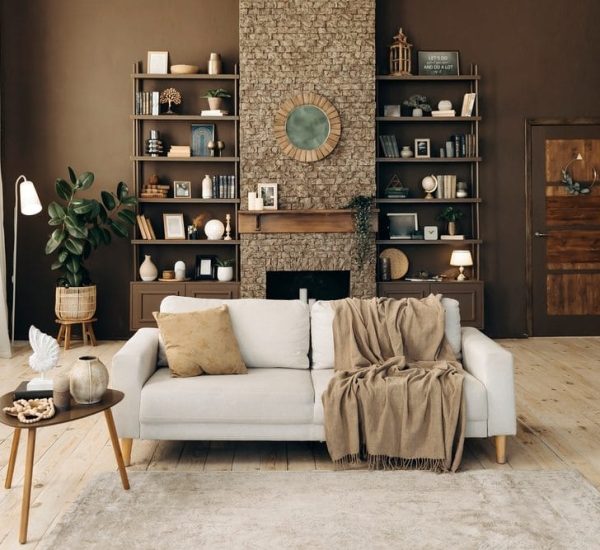
The trick is to give neutral walls a partner. A limewash effect, woven wall hanging, soft wood trim, or matte paint finish can keep the wall quiet without making it dull. Modern home styling often succeeds because it respects silence, then adds one detail that gives the eye somewhere to rest.
A counterintuitive move works well here: choose fewer wall features, but make each one more intentional. One textured wall behind a bed can do more than four scattered shelves, three prints, and a mirror fighting for space. Restraint is not emptiness. It is confidence with better lighting.
Use Texture to Make Walls Feel Designed
Flat walls can look clean, but texture makes them feel alive. Texture catches light, creates shadow, and gives even a simple room a sense of depth. This does not mean every wall needs paneling or dramatic wallpaper. It means the surface should contribute something beyond color. A room with thoughtful texture feels layered even when the furniture is simple, and that is the sweet spot for lasting style.
Stylish wall finishes that add quiet depth
Paint is only one answer. Limewash, plaster, grasscloth, beadboard, fluted panels, brick veneer, and fabric-backed panels all change how a room feels without relying on loud patterns. The best stylish wall finishes do not beg for attention; they reward a second look.
A small entryway, for example, can handle a textured plaster finish better than a busy print because the space is tight and people pass through it quickly. The wall feels crafted, but it does not crowd the area. In a bedroom, grasscloth behind the headboard can bring warmth without adding another bulky object.
Texture also solves a common problem in open-plan homes. When living, dining, and kitchen areas share one large space, a textured feature wall can define one zone without building a physical divider. Walls And Style work best when they guide the eye without chopping the home into awkward pieces.
When pattern helps and when it hurts
Pattern brings personality, but it has a short temper. Use too little and it looks timid. Use too much and the room starts arguing with itself. Wallpaper, murals, geometric paint, and patterned tile all need the right scale for the wall and the right distance from the viewer.
Large patterns usually work better on bigger walls because the eye has room to read them. Tiny repeated prints can look busy in a living room but charming in a powder room, where the smaller scale feels immersive rather than chaotic. That is why a bold floral can feel amazing in a compact bathroom yet exhausting across a long lounge wall.
The honest rule is this: pattern should support the room’s main feeling. If the room already has a printed rug, colorful cushions, and open shelving, the wall may need restraint. If the furniture is clean and simple, the wall can carry more visual weight. Good interior decor ideas leave room for one star at a time.
Create Balance With Art, Shelving, and Empty Space
Decorating walls is not the same as covering them. Many homes feel cluttered because every blank area gets treated like a mistake. Empty space gives art power, lets furniture breathe, and makes the room feel calmer. Wall decor should create balance between what you display and what you leave alone. That balance is where taste shows up.
Framing art without making walls feel crowded
Art placement can make a room feel polished or strangely off, even when the pieces are beautiful. The most common mistake is hanging artwork too high. Art should relate to the furniture beneath it and the people viewing it, not float near the ceiling like it is trying to escape.
Above a sofa, leave enough breathing room so the artwork feels connected but not cramped. In a hallway, keep pieces at a consistent center height so the eye moves smoothly. A gallery wall works best when the spacing feels deliberate, not when every frame size gets squeezed in because it was available.
A grounded example: three medium frames above a console can look stronger than twelve small ones scattered across the same wall. The room reads the arrangement as a design choice, not storage for memories. That does not mean personal photos have no place. It means they deserve order, spacing, and frames that make them feel honored.
Using shelves as design, not storage overflow
Wall shelves can add charm, but they become visual noise when they hold everything that lacks a home. The best shelves combine display and restraint. A few books, one ceramic piece, a plant, and a framed print can create rhythm. Twenty unrelated objects create dust and tension.
Modern home styling often uses shelves to break up flat walls while keeping the floor clear. This works especially well in smaller homes, where every inch matters. Floating shelves beside a fireplace, narrow ledges in a hallway, or a single picture rail in a child’s room can add function without making the space feel cramped.
Empty shelf space is part of the design. People forget that. A shelf needs gaps the same way a sentence needs pauses. Without them, nothing has meaning because everything is competing to be noticed.
Let Lighting Decide What Your Walls Become
Lighting can rescue a modest wall and ruin an expensive one. Paint, texture, art, and trim all change depending on where the light comes from and how it falls. A wall that looks rich at noon may look muddy at night under the wrong bulb. Before adding more decor, fix how the wall is seen. That single shift can change the whole room.
Layering light for better interior decor ideas
One ceiling light cannot carry a room. It throws shadows in the wrong places, flattens texture, and makes wall color look harsher than it is. Layered lighting gives walls dimension by combining ambient light, task light, and accent light.
A living room might use a ceiling fixture for general light, a floor lamp near the reading chair, and two picture lights above framed art. The wall then gains depth instead of sitting in one flat wash. In a bedroom, warm bedside lamps can make painted walls feel softer than overhead lighting ever could.
Bulb temperature matters more than people expect. Warm bulbs usually flatter cozy wall colors, while cooler bulbs can make beige look dull and green undertones more obvious. Test bulbs at night before blaming the paint. Sometimes the wall is not wrong; the light is telling lies.
Making small rooms feel bigger through wall choices
Small rooms do not always need pale walls. That advice gets repeated because it sounds safe, but it misses the point. A small room needs clarity. Sometimes a deeper color on all walls makes the edges blur and creates a cocoon effect that feels larger than a pale room chopped up by shadows.
Mirrors help when they reflect something worth seeing. A mirror facing clutter doubles the clutter. A mirror reflecting a window, artwork, or clean passage of light can expand the room’s feel without pretending to add space. Placement decides whether the mirror is useful or decorative noise.
Trim can also change scale. Painting baseboards and walls in the same shade can make low ceilings feel less interrupted, while contrast trim can sharpen architecture in rooms with generous height. Strong home wall design understands the room’s limits and works with them, not against them.
Conclusion
A better home does not always begin with new furniture. Sometimes it starts with one wall that finally knows its role. When you think about mood, texture, balance, and light together, Walls And Style stop being a surface decision and become the quiet structure behind the whole room. That shift matters because walls are the one design element you experience from every angle, every day.
The strongest rooms rarely look accidental. They feel calm because someone made choices and knew when to stop. Choose one room this week, stand in it at morning, afternoon, and night, then decide what the walls are doing well and what they are failing to support. Change the weakest part first, whether that means warmer paint, better lighting, cleaner art placement, or a single textured finish. Start with the wall that bothers you most, and let that one smart improvement teach the rest of your home how to feel finished.
Frequently Asked Questions
What are the best wall decor tips for small homes?
Choose wall decor that adds depth without stealing space. Slim picture ledges, vertical art, mirrors facing light, and soft textured paint work well. Avoid crowding every wall. A small home feels larger when the eye can move easily without hitting visual clutter.
How can I improve home wall design on a budget?
Paint one wall with a richer finish, reframe existing art, adjust lighting, or create a clean gallery layout with fewer pieces. Budget wall upgrades work best when they look intentional. Spend less on objects and more attention on spacing, scale, and color harmony.
What stylish wall finishes work best in living rooms?
Limewash, matte paint, wood slats, grasscloth, and subtle plaster finishes suit living rooms well. The best choice depends on light, furniture, and room size. A finish should add depth while still letting seating, rugs, and artwork feel connected.
How do I choose wall colors for modern home styling?
Start with the room’s light and daily use. Warm neutrals suit relaxed spaces, deeper tones create intimacy, and muted colors work well when furniture already has character. Test paint on more than one wall before deciding because color shifts throughout the day.
Are gallery walls still good interior decor ideas?
Gallery walls still work when they feel edited. Use consistent spacing, a clear frame style, and a mix of sizes that feels balanced. Avoid filling a wall only because it is blank. A smaller, cleaner arrangement often looks more expensive than a crowded one.
What wall decor makes a bedroom feel cozy?
Soft paint colors, fabric texture, warm lamps, framed art above the bed, and natural materials help a bedroom feel settled. Keep the wall behind the bed calm but not empty. The goal is comfort, not decoration that keeps demanding attention.
How can lighting improve wall decor at home?
Lighting changes how color, texture, and artwork appear. Picture lights, sconces, table lamps, and warm bulbs can make walls feel richer and more layered. Poor overhead lighting often makes good wall choices look flat, so adjust light before replacing decor.
What common wall styling mistakes should I avoid?
Avoid hanging art too high, using too many small pieces, ignoring lighting, and choosing paint without testing it at home. Another common mistake is filling every blank wall. Empty space gives the room confidence and helps the best design choices stand out.