A room can look expensive and still feel flat when the walls have no point of view. Furniture may get the attention first, but the walls decide whether the space feels finished, warm, personal, or strangely unfinished. The smartest walls and style ideas do not start with buying more things; they start with noticing what the room is already asking for. A narrow bedroom needs height. A plain living room needs texture. A busy family room needs calm, not another loud feature wall. When you treat walls as part of daily life instead of empty surfaces, the whole room changes. Even practical design inspiration from a trusted home improvement resource can help you think beyond paint colors and focus on how a room actually feels when you live in it. Good wall choices should never shout over the rest of the space. They should hold the room together, soften what feels harsh, and give your eye somewhere worth landing.
Walls And Style Ideas That Start With the Room’s Real Mood
A room tells the truth before you decorate it. The morning light, ceiling height, floor color, furniture scale, and even the way people move through the space all shape what your walls should do. The mistake many people make is choosing a look from a photo and forcing it into a room with a different mood. That is how charming room wall ideas become awkward in real life. Better choices begin with the room you actually have, not the room you wish you had.
How room wall ideas should follow light, not trends
Natural light changes wall choices more than most people admit. A soft beige that looks calm in a bright room can turn dull in a shaded one, while a deep green that feels dramatic in afternoon light may feel heavy before noon. You do not need a designer’s eye to notice this. Tape up large color samples and watch them across a full day before you commit.
Room wall ideas work best when they respect the direction and strength of light. North-facing rooms often need warmth because cooler daylight can make walls feel gray. South-facing rooms can handle stronger tones because the light gives them life. East-facing rooms glow early, then fade, so they need colors and textures that still hold interest later in the day.
The counterintuitive part is that dark walls can sometimes make a small room feel better, not worse. A tiny reading room painted in a rich clay or charcoal tone can feel intentional instead of cramped. The problem is not darkness. The problem is choosing darkness without softness, lighting, or contrast to support it.
Interior wall decor that matches how the room is used
Interior wall decor should never fight the purpose of the room. A bedroom wall needs to calm the nervous system before sleep. A dining room wall can carry more drama because people gather there for shorter, more social moments. A home office wall needs enough interest to feel alive, but not so much that it steals focus during work.
A family living room is the best test of this idea. A gallery wall packed with tiny frames may look charming online, but it can become visual noise in a room already full of toys, blankets, books, and moving people. One large textile, a pair of framed prints, or a low-sheen accent color may create a stronger effect with less clutter.
Interior wall decor also needs breathing room. Empty space is not failure. It gives the pieces you choose more authority. When every wall carries something, nothing feels special, and the room starts behaving like a noticeboard instead of a place to live.
Building Depth With Texture, Shape, and Layered Surfaces
Once the room’s mood is clear, the next step is depth. Flat walls can feel cold even when the color is pleasant, while layered walls create shadow, softness, and movement. Texture does not need to mean a dramatic stone wall or expensive paneling. It can come from limewash, fabric, wood trim, woven art, plaster effects, shelving, or even the contrast between matte paint and glossy ceramics. Depth is what keeps a room from looking decorated only at the surface.
Wall styling tips for texture without visual clutter
Wall styling tips often focus on what to add, but the stronger move is knowing what to hold back. Texture should support the room, not bury it. A fluted wood panel behind a bed, for example, can add height and warmth without needing a dozen framed prints above it. A limewash wall can create movement while still feeling quiet.
The best texture choices have a reason. In a narrow hallway, vertical paneling can pull the eye upward and make the passage feel less squeezed. In a dining room, a plaster finish can catch candlelight and make evening meals feel richer. In a child’s room, cork panels or fabric boards can add function while bringing softness to the wall.
Too many textures in one room create a restless feeling. Painted brick, slatted wood, woven baskets, framed art, floating shelves, and patterned wallpaper may all look good alone, but together they can crowd the eye. Choose one lead texture, then let the rest of the wall styling tips serve it quietly.
Why interior wall decor needs scale before detail
Scale decides whether interior wall decor feels confident or scattered. A tiny frame above a large sofa looks timid because the wall has swallowed it. A wide canvas, oversized mirror, or grouped arrangement with enough width can balance the furniture beneath it. The wall and the furniture need to speak the same visual language.
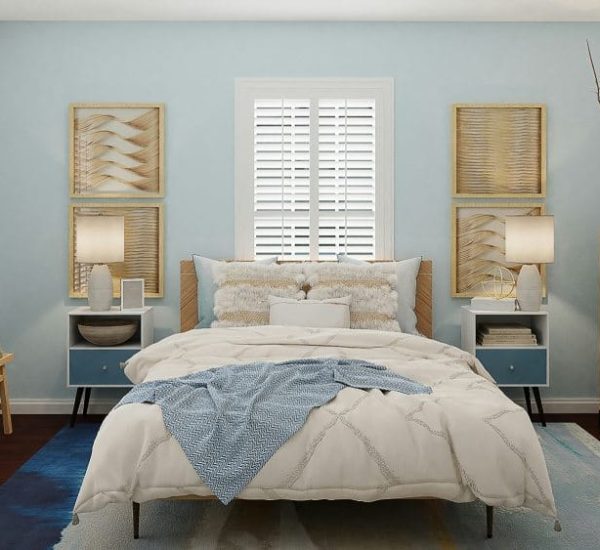
A common real-world example is the space above a bed. People often hang one small piece too high, leaving the headboard disconnected from the wall. A better choice is a wide artwork, a pair of matching frames, or a shaped wall treatment that starts close enough to the bed to feel connected. The result feels calmer because the eye reads it as one complete composition.
Detail matters after scale is right. Frame color, art subject, shelf styling, and object placement all count, but they cannot rescue poor proportion. A room may forgive a slightly imperfect print. It rarely forgives a wall arrangement that looks afraid of the wall it sits on.
Color Choices That Make Rooms Feel Designed, Not Decorated
Color carries emotion faster than furniture does. A room painted in the wrong tone can make good furniture look cheap, while the right wall color can make modest pieces feel chosen with care. This is where many homeowners overthink trends and underthink atmosphere. A beautiful color is only beautiful when it improves the life happening inside the room.
Room design choices that connect walls to furniture
Room design choices become stronger when walls and furniture are planned together. A warm white wall beside a cool gray sofa may make the sofa look flat. A muted taupe, mushroom, or soft stone tone can bridge that gap and make the room feel more settled. Color is not decoration at this point; it is negotiation.
Wood tones matter too. Honey oak floors often respond well to creamy whites, olive greens, and warm clay shades. Dark walnut furniture can look sharper against soft neutrals, smoky blues, or pale greige. When walls ignore wood tones, the room starts to feel split into separate parts.
Room design choices should also account for contrast. A room with pale walls, pale flooring, and pale furniture can feel washed out unless you add depth through darker frames, richer textiles, or a grounding rug. Calm does not mean weak. The best calm rooms have tension under the surface.
Wall styling tips for using accent colors carefully
Accent walls fail when they look like a shortcut. One random dark wall behind a television rarely makes a room feel designed. It often makes the other three walls look forgotten. Strong accent color works better when it answers a clear need, such as framing a bed, defining a dining nook, or turning built-in shelves into a focal point.
Wall styling tips for accent color should begin with placement. The best wall to highlight is usually the one the room already points toward. In a bedroom, that is often the headboard wall. In a living room, it may be the fireplace wall or the wall opposite the entry. Fighting the room’s natural focus creates confusion.
Small accents can be stronger than large ones. Painting the inside of shelves, adding a colored picture rail, or using a deep tone below wainscoting can bring character without overwhelming the room. A confident detail often beats a loud feature wall because it feels intentional rather than desperate for attention.
Personal Walls That Still Feel Calm and Grown-Up
A room without personality feels staged, but a room with too much personal display can feel busy. The sweet spot sits between memory and restraint. Your walls should show that someone lives there, but they should not turn every surface into a scrapbook. Personal design works when it edits life into shape instead of dumping life onto the wall.
How room wall ideas can hold memories without mess
Room wall ideas that include family photos, travel prints, children’s art, or collected objects need structure. A loose mix can feel charming for a week, then chaotic after a month. Give personal pieces a system: matching frames, a shared color palette, a clear grid, or one dedicated memory wall instead of scattered moments across the room.
A hallway can carry family photos better than a formal living room because movement suits storytelling. You pass through, glance, remember, and keep going. In a bedroom, fewer personal pieces may feel better because the room needs emotional rest. Not every memory belongs in the place where you sleep.
The unexpected truth is that editing does not make personal design less meaningful. It makes the chosen pieces matter more. When you display ten things instead of forty, each one gets enough space to be seen rather than buried in the crowd.
Room design choices that age well over time
Room design choices should leave space for your taste to change. Permanent wall treatments, bold wallpaper, and custom built-ins can be worth it, but they should not trap you inside a mood you liked for one season. A room grows with you when the base is steady and the changeable layers carry the trend.
Art, lighting, textiles, and small painted zones are easier to refresh than full-wall commitments. A renter can create strong impact with peel-and-stick panels, large framed fabric, wall-mounted lamps, or a removable mural. A homeowner can go further, but the same rule applies: spend permanence on what you know you will still respect later.
Good rooms age because they have a clear center. Maybe that center is warmth, quiet, drama, or craft. Once you know the feeling you want, every wall choice becomes easier to judge. The question stops being “Is this popular?” and becomes “Does this still belong here after the excitement fades?”
Conclusion
Walls should never be treated as background afterthoughts. They carry more emotional weight than most furniture, and they can either pull a room together or quietly weaken everything inside it. The strongest walls and style ideas come from paying attention before making changes: where light falls, where the eye rests, where clutter gathers, and where the room feels unfinished. Paint, paneling, art, shelves, mirrors, and texture all work better when they answer those conditions instead of chasing a look that belongs somewhere else. Start with one wall that bothers you most, then decide what it needs: warmth, height, softness, focus, memory, or restraint. That single decision can shift the whole room. Choose one thoughtful change this week, test it against the way you actually live, and let your walls become the part of the room that finally makes everything feel connected.
Frequently Asked Questions
What are the best room wall ideas for a small bedroom?
Use one strong visual move instead of several small ones. A soft painted headboard wall, vertical paneling, or one wide artwork can make a small bedroom feel settled. Keep colors calm, place decor low enough to connect with furniture, and avoid tiny scattered pieces.
How do I choose interior wall decor for a living room?
Start with the largest furniture piece, usually the sofa, then choose wall decor that matches its scale. Large art, a balanced gallery wall, or a mirror with weight will look better than small items spread too far apart. The room should feel anchored, not sprinkled with decoration.
What wall styling tips make a room look expensive?
Choose fewer, better-looking pieces and give them space. Large-scale art, warm lighting, textured paint, quality frames, and well-placed mirrors can make a room feel refined. Expensive-looking rooms rarely feel crowded; they feel edited, calm, and confident.
Which room design choices affect wall color the most?
Light, flooring, furniture color, and room size shape how wall color behaves. A shade that looks warm in one room may look dull in another. Test large samples during morning, afternoon, and evening before painting every wall.
Are accent walls still a good idea for rooms?
Accent walls work when they support a natural focal point, such as a bed, fireplace, dining nook, or shelving area. They look weak when chosen randomly. A strong accent wall needs a reason, a balanced color, and enough surrounding restraint to feel intentional.
How can I decorate walls without making the room feel cluttered?
Group related items instead of spreading them across every wall. Use matching frames, consistent spacing, or one dedicated display area. Empty wall space helps the room breathe and makes the decor you do choose feel more important.
What are easy wall ideas for renters?
Renters can use removable wallpaper, framed textiles, peel-and-stick trim, large leaning mirrors, adhesive picture ledges, and plug-in wall lights. These choices create impact without permanent changes, and they can move with you when the lease ends.
How often should I update wall decor in a room?
Update wall decor when the room no longer matches how you live, not every time a trend changes. Small seasonal changes are fine, but major wall decisions should last. If a wall still feels good in different light and different moods, keep it.