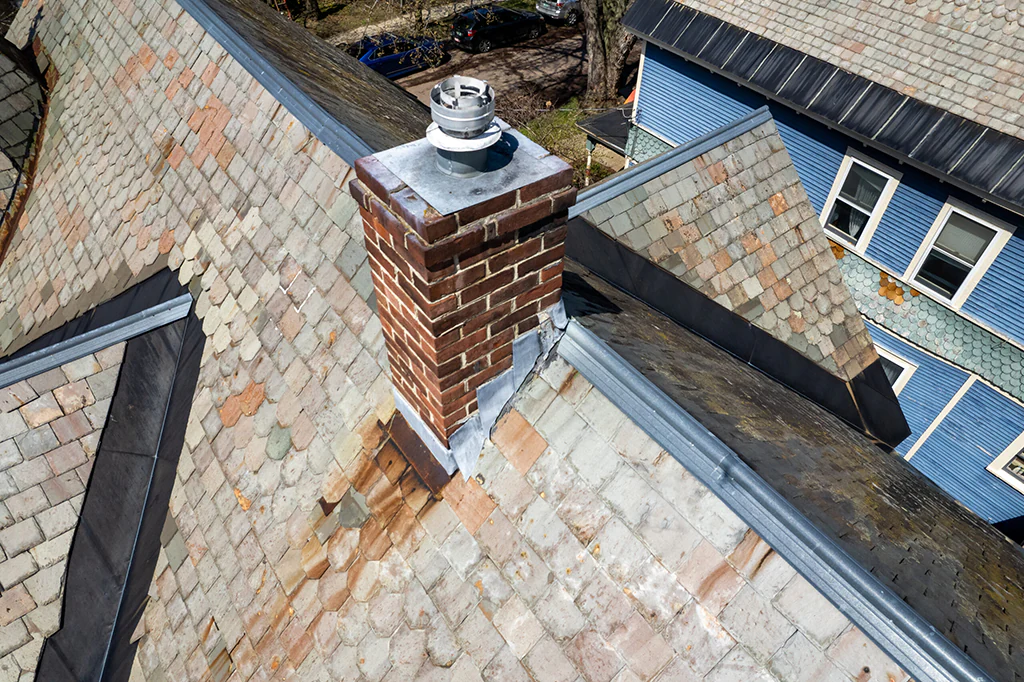
A chimney leak rarely announces itself with a dramatic ceiling stain on day one. Roof Cricket Installation matters because the back side of a chimney is one of the few places on a sloped roof where runoff can slow down, collect grit, freeze, and test every weak edge. For homeowners planning a roof replacement, chimney repair, or storm-damage fix in the United States, this small raised saddle can decide whether the new roof sheds water cleanly or keeps feeding a hidden wet spot. It belongs in the same conversation as chimney flashing, underlayment, roof pitch, and masonry condition.
Good roofing is not only about better shingles. It is about directing water before it gets a vote. A useful plan starts with the roof shape, the chimney width, local weather, and the kind of work already happening around the house. That is why smart home improvement project planning treats the chimney as a water obstacle, not a brick box sitting on top of the roof. If you can picture where rain wants to pause, you can see why a chimney cricket often earns its place.
Why Chimneys Trap Roof Runoff Before It Becomes a Leak
A chimney interrupts the roof plane in a blunt way. Rain moves down the slope, hits masonry, then looks for an escape path. If the roof has no raised diverter on the uphill side, the water spreads sideways only after it has already pressed against the base. That delay is the problem. The roof may look fine from the yard, yet the back pan can sit under leaves, grit, old sealant, and winter ice. Brick also gives water a rough surface to cling to, so the joint can stay wet long after the field shingles dry. On a shaded north-facing roof, that damp band can become the quiet place where stains, mildew odor, and soft sheathing begin.
The back pan is where slow water does the damage
Most homeowners think leaks come from a hole. Around chimneys, the story often starts with slow water. It sits behind the stack, works under loose granules, and keeps the same small area damp after the rest of the roof has dried. In a place like Ohio or Pennsylvania, one cold night can turn that damp pocket into ice. Ice expands. Then the next thaw pushes water deeper into any gap it opened.
A chimney cricket changes that rhythm. Instead of letting water hit a flat back pan and wait, the small peaked saddle splits runoff toward both sides of the chimney. The point is not to make the roof look fancy. The point is to reduce dwell time. Water that moves quickly has less chance to find a nail head, lifted shingle edge, cracked mortar joint, or tired counterflashing seam.
The counterintuitive part is that a tiny leak may come from too much sealant, not too little. When someone smears roofing cement across a weak chimney joint, it may trap water at the edge and hide the path a roofer needs to see. A clean cricket and proper metal work beat a black patch that looks bold for one season and fails during the next freeze.
Water pooling behind chimney is often a design problem, not a storm problem
Heavy rain gets blamed for many chimney leaks, but poor drainage often sets the trap first. Water pooling behind chimney masonry can happen during a mild shower if the roof plane pushes runoff toward a wide obstruction. The storm only exposes the shape problem. You see the stain after a bad night, then assume the weather caused it. The roof had been warning you before that.
A common example is a 1980s suburban home with a broad brick chimney sitting low on a rear roof slope. The shingles may be newer, the gutters may work, and the attic may stay dry most days. Still, oak leaves gather behind the chimney every fall. By February, that leaf pile has held snowmelt against the flashing for weeks. No single storm owns the leak. The trapped mess does.
This is where a homeowner should stop thinking like a buyer of roof materials and start thinking like water. Shingles shed, but they do not steer every flow path by themselves. A chimney cricket gives the roof a shape that tells water where to go before debris and ice choose for it.
Planning Roof Cricket Installation Around Chimney Size, Slope, and Code
The best time to plan a cricket is before the roofer tears off the shingles around the chimney. Once the deck opens up, the contractor can see rot, measure the obstruction, check the slope, and design the saddle as part of the roof assembly. Waiting until the new shingles are down turns a clean detail into a retrofit. That can still work, but it costs more and invites compromise.
What the 30-inch rule tells you, and what it misses
In many U.S. jurisdictions, the building code conversation starts around the 30-inch measurement. The International Residential Code provision on crickets and saddles calls for a cricket or saddle on the ridge side of a chimney or penetration more than 30 inches wide, measured perpendicular to the roof slope. Local amendments can differ, so the building department and permit documents still matter.
That rule gives you a floor, not a design finish line. A 28-inch chimney on a steep roof in a snowy New England town may create more trouble than a wider chimney on a gentle roof in Arizona. Roof pitch, valley locations, tree cover, and snowfall can all change the decision. Code answers one question: when does the minimum standard demand a cricket? A good roofer asks a better one: where will water slow down on this house?
The non-obvious move is to look uphill, not only at the chimney. If a dormer, valley, or upper roof plane sends extra runoff toward the stack, the chimney acts wider than its tape-measure number. That is why two chimneys with the same width can need different treatment. One sits in quiet water. The other gets a roof’s worth of runoff aimed at its back.
Matching cricket shape to roof pitch and weather
A chimney cricket should not look like a random bump nailed onto the roof. Its ridge, side slopes, and tie-in points need to work with the existing pitch. On a steep asphalt shingle roof, the saddle often carries shingles and metal flashing in a way that blends with the roof lines. On a metal roof, the cricket may need sheet-metal detailing that matches panel movement and fastener rules.
Climate changes the detail, too. In Colorado, snow sliding down a roof can load the back of a chimney and press against weak flashing. In the Gulf Coast, wind-driven rain can push sideways under careless metal laps. In the Pacific Northwest, long damp seasons punish any detail that lets moss and needles sit. The cricket shape has to answer the weather the house lives with, not an ideal drawing.
A useful test is simple: after the cricket goes in, where will the first handful of leaves land? If the answer is still “right behind the chimney,” the design did not solve enough. The saddle does not need to throw debris into the neighbor’s yard. It does need to make the lazy resting place smaller, steeper, and easier for rain to wash clean.
Building the Cricket So Flashing, Decking, and Shingles Work Together
A cricket succeeds only when the layers agree with each other. Framing creates the shape, decking gives the shape strength, underlayment guards the joint, and metal directs the water. Shingles finish the surface. When one layer tries to do another layer’s job, leaks follow. That is why chimney work should never feel like a quick add-on at the end of a roof day.
The best crews slow down here. They remove enough roof covering to see the old water path, not only the bright damage. Sometimes the leak begins two feet uphill and travels along the deck before it appears at the chimney. A saddle built over that mystery only hides the next callback. A proper opening tells the truth before new material covers it.
Framing the saddle before the roof covering goes back
The carpenter or roofer usually frames the cricket as a small roof behind the chimney. The center ridge points uphill, and the side planes fall away toward each side of the stack. Plywood or OSB decking covers that frame, then a self-adhering membrane often wraps the vulnerable area before shingles or metal return. The exact build depends on roof pitch, chimney size, and the surrounding deck.
Rot changes the plan fast. If the decking behind the chimney has gone soft, a crew should replace the damaged wood before framing the saddle. Covering weak sheathing with new material is like putting a new tile floor over a spongy bathroom subfloor. It may photograph well, but the base still moves. Water will find that movement later.
Here is the detail homeowners miss: the cricket should not push water into a new problem. If the sides dump runoff under a shingle edge, into a wall return, or toward a clogged gutter corner, the roof only moved the leak risk. During layout, a good crew checks the full path from the cricket sides to the eaves.
Chimney flashing must shed water in layers
Chimney flashing is not a single strip of metal. It works as a set of layers: base flashing where the roof meets the chimney, step flashing along the sides, counterflashing cut into or secured to the masonry, and a back-pan or saddle detail on the high side. Each piece should send water onto the next outer layer. Water should never need caulk as its main defense.
Counterflashing deserves respect. On masonry chimneys, metal often tucks into mortar joints or reglets so water running down the brick face lands on the flashing rather than behind it. If a contractor nails flat metal to the brick and smears sealant over the top, ask hard questions. Sealant ages. Metal laps and gravity do the lasting work.
The cricket makes the flashing more complex, not less. Two roof planes meet the chimney and the main roof at angles, so sloppy cuts leave small traps. A roofer who rushes this area may hide mistakes under shingles for a while. Then a hard rain with sideways wind finds the joint. The leak shows up indoors, and everyone blames the chimney cap because it is easier to see. For an older house, the masonry condition also matters. Cracked crown, open mortar joints, or loose brick can send water behind perfect roof metal, so a roof crew and a mason may need to share the same project.
When to Retrofit a Cricket and What Mistakes to Avoid
Retrofitting a cricket makes sense when the chimney keeps causing wet spots, debris dams, staining, or flashing failures. It also makes sense during a roof replacement, even if the leak has not reached the ceiling. The roof is already open, labor is already on site, and the crew can tie the new saddle into fresh underlayment. Waiting until after damage appears usually costs more.
A retrofit also deserves a timing check. If the roof is near the end of its life, cutting in a new saddle may protect the chimney area while the rest of the roof keeps aging. In that case, pricing the cricket as part of a full roof plan may give you a cleaner result. If the roof still has years left, targeted work can make sense, but only if the contractor can match the existing material and tie the new metal into sound layers.
Warning signs homeowners should not ignore
Look for brown ceiling marks near the fireplace chase, damp insulation in the attic, white staining on brick, shingle granules piled behind the chimney, or moss that stays darker than the surrounding roof. These signs do not all prove a missing cricket. They do tell you the roof-chimney joint deserves a close inspection before the next storm season. A broader roof leak warning signs checklist can help you separate a chimney issue from a plumbing vent or valley leak.
The sneaky sign is repeated “minor” repair. If a contractor patches the same back corner every other year, the roof is giving you a pattern. Small bills feel cheaper, but they can become rent paid to the same defect. A one-time cricket retrofit may cost more upfront, yet it may stop the cycle that keeps staining drywall and soaking insulation.
A specific case makes the point. A homeowner in suburban New Jersey sees a small stain only after nor’easters. The chimney gets new caulk twice. The stain returns. During the roof replacement, the crew finds dark sheathing behind the chimney, leaf sludge under the old back pan, and loose counterflashing. The missing saddle was not the only problem, but it gave every other weakness a wet place to fail.
The cheapest bid can cost more after the first freeze
A low bid may skip the cricket by calling it optional, especially if the homeowner does not ask about code, width, and drainage. That shortcut can look harmless on a sunny day. The risk arrives when snow melts from above, refreezes at the chimney, and backs water under the shingles. The cheapest roof detail often becomes the most expensive interior repair.
Ask the contractor to explain the water path out loud. Where does runoff go when it hits the chimney? Where does the cricket send it? How will the side flashing overlap? What material covers the saddle? Will the crew replace damaged decking? A roofer who can answer in plain language usually understands the job better than one who points to a tube of sealant.
You can also compare the cricket plan with a roof flashing repair guide before signing. The goal is not to become the roofer. The goal is to hear whether the proposal treats the chimney as a system. If the bid mentions shingles but says little about metal, membrane, masonry, and drainage, keep asking.
Conclusion
A roof does not fail only because materials wear out. It fails where water gets extra time to test a weak detail. Chimneys create that test on thousands of American homes, especially when wide masonry blocks the natural roof slope. Roof Cricket Installation gives the roof a small but firm correction: split the runoff, shrink the wet pocket, and force the flashing to work with gravity instead of against it. The best version is not an afterthought. It is framed, decked, wrapped, flashed, and tied into the roof before the crew moves on. If your chimney has stains, debris buildup, repeat caulk repairs, or a broad uphill face, bring up the cricket before you approve the roofing proposal. A good contractor will not treat that question as picky. They will treat it as the difference between a roof that looks finished and a roof that sheds water with purpose. Protect the chimney joint now, and you protect the rooms below it.
Frequently Asked Questions
How much does it cost to add a chimney cricket?
Cost depends on roof pitch, chimney width, material, access, and whether the roof is already being replaced. Adding one during a roof replacement usually costs less than cutting into a finished roof later. Ask for a line item covering framing, decking, membrane, flashing, and finish material.
Is a chimney cricket required by code in the United States?
Many local codes based on IRC or IBC language require one when a chimney or penetration exceeds about 30 inches on the ridge side measurement. Your city or county can amend code language, so confirm with the local building department or permit office before work starts.
Can I add a cricket without replacing the whole roof?
Yes, a skilled roofer can retrofit one, but the work needs careful tie-ins to existing shingles, underlayment, and flashing. It often makes better sense during roof replacement because the crew can expose the deck and build the saddle cleanly.
What is the difference between a chimney cricket and chimney flashing?
A cricket changes the roof shape so water moves around the chimney. Flashing is the metal system that seals and directs water at the roof-chimney joint. They work together. A cricket without sound flashing still leaks, and flashing without slope can stay under stress.
Does every chimney need a cricket?
No. A narrow chimney near the ridge on a simple roof may drain well without one. Still, width is not the only factor. Steep pitch, heavy snow, nearby valleys, trees, and repeat debris buildup can make a cricket wise even when code does not demand it.
What material should cover a roof cricket?
The covering should match the roof system and code rules. Many asphalt shingle roofs use shingles over proper underlayment, while some designs use sheet metal. Metal roofs need detailing that fits the panel profile, fastener pattern, and expansion movement.
How can I tell if water is pooling behind my chimney?
Look after rain for damp debris, dark shingle areas, moss, granule piles, or mud lines on the uphill side. From the attic, check for stained decking near the chimney. Stay off the roof unless you have safe access and proper fall protection.
Will a cricket stop all chimney leaks?
No single roof detail can fix every chimney leak. A cricket helps control roof runoff, but leaks can also come from cracked crowns, open mortar joints, bad caps, porous brick, or failed counterflashing. A full inspection should check both roofing and masonry.