A home can feel unfinished even when every expensive item is already in place. The sofa may be right, the flooring may be clean, and the lighting may be decent, but bare or poorly planned walls can still make the whole room feel unsure of itself. That is why wall style ideas matter more than most people admit. Walls are not background space; they shape mood, scale, warmth, and the way your home welcomes people before anyone sits down.
Good wall planning does not mean covering every surface or chasing every trend that looks polished online. It means knowing when a wall needs texture, when it needs silence, when color should lead, and when one piece of art can do more than ten small objects. For anyone building a calmer, more personal home, a few strong choices often beat a crowded design plan.
Thoughtful home wall decor also helps ordinary rooms feel intentional without making them feel staged. A room with character does not shout. It holds your eye, gives your furniture a reason to belong, and makes daily living feel more grounded. For homeowners trying to shape a space with confidence, strong walls are often the best place to start.
Wall Style Ideas That Shape the Mood of a Home
Walls carry the emotional weight of a room before furniture gets a chance to speak. A white wall can feel peaceful in one home and empty in another, while a deep green wall can feel rich in a reading corner but heavy in a narrow hallway. The difference is not the color alone. It is the relationship between the wall, the light, the room size, and the life happening around it.
Choosing Color Without Letting Trends Control the Room
Color trends are tempting because they promise certainty. One year, warm neutrals dominate every design feed; the next year, everyone acts as if soft clay, sage, or charcoal has solved home design forever. The smarter move is to ask what your room needs emotionally before asking what color is popular. A breakfast nook may need freshness, while a bedroom may need calm. A hallway may need depth because it has no furniture to give it character.
Paint also changes once it meets real light. A beige that looks creamy in a showroom can turn dull in a room with weak daylight. A blue that feels elegant in a photo may feel cold at night under cheap bulbs. Test patches matter because your wall does not live inside a catalog. It lives beside your windows, your flooring, your curtains, and your habits.
A grounded approach works better than trend-chasing. Choose one main wall color that supports the room’s purpose, then let smaller accents carry seasonal changes. This keeps modern wall design flexible without forcing you to repaint every time the internet gets bored.
Using Accent Walls With Restraint and Purpose
Accent walls get misused because people treat them as decoration instead of direction. A strong accent wall should guide the eye toward something worth noticing, such as a bed, fireplace, dining bench, desk, or built-in shelf. When an accent wall appears on a random surface, it feels like a design apology. The room starts asking why.
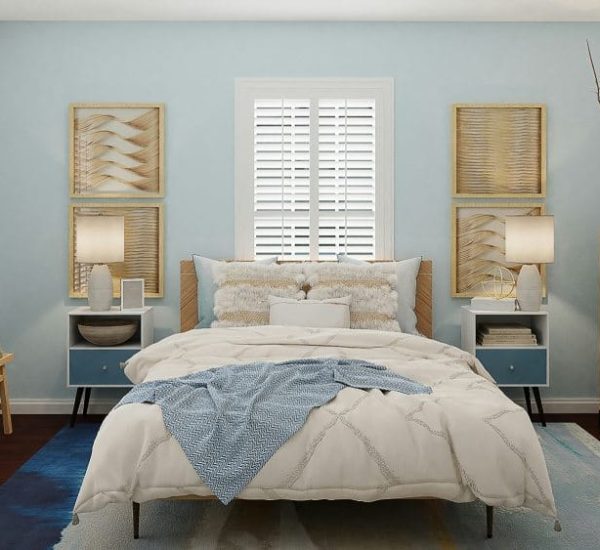
A good accent wall creates order. In a small living room, a muted terracotta wall behind the sofa can make the seating zone feel settled. In a bedroom, a textured wall behind the headboard can replace oversized art and still feel complete. In an entryway, one darker wall can make a narrow space feel more intentional instead of forgotten.
The mistake is believing contrast must be loud. Sometimes the best accent wall is only two shades deeper than the rest of the room. That quiet shift gives depth without stealing attention from everything else. Walls gain power when they know their role.
Building Texture Into Walls Without Making Them Busy
Once color sets the mood, texture gives the room a pulse. Flat walls can work, but a home filled only with smooth painted surfaces may feel thin, especially when the furniture is simple. Texture does not need to be dramatic. It can come from limewash, paneling, plaster, fabric, stone, wood trim, woven art, or even the soft shadow of well-placed shelves.
Why Paneling Still Works in Everyday Homes
Paneling survives trend cycles because it solves more than one problem at once. It adds structure, breaks up blank surfaces, and gives plain rooms a crafted feeling. In a dining room, simple vertical paneling can make the ceiling feel taller. In a bedroom, board-and-batten behind the bed can create a built-in focal point without needing a large headboard.
The best paneling does not fight the architecture. A cottage-style room can handle beadboard, while a newer apartment may look better with slim vertical strips or square molding. Scale matters more than ornament. Thick trim in a small room can feel heavy, while thin trim across a wide wall may disappear.
Paneling also helps when a room lacks history. New builds often have clean lines but little personality. A carefully planned wall treatment can give that blank shell a sense of age without pretending to be something it is not. That balance matters.
Adding Natural Materials for Warmth and Depth
Natural materials bring a kind of softness paint cannot copy. A wood slat wall, stone strip, clay finish, or woven wall hanging adds depth because it changes with light throughout the day. These surfaces do not sit flat in the room. They respond.
A small example makes the point. A plain TV wall often becomes the least attractive part of a living room because the screen dominates everything. Add a low wood panel behind it, keep the tone close to the floor or furniture, and the black rectangle suddenly feels less harsh. The wall starts holding the technology instead of being bullied by it.
Natural texture also works well when paired with simple home wall decor. A single ceramic piece, linen artwork, or carved wooden frame can feel richer against a tactile background than a full gallery wall would on plain paint. Texture lets you use fewer objects with better results.
Making Walls Personal Without Creating Visual Noise
A stylish wall should reveal something about the people who live in the home. That does not mean every family photo, travel print, quote, and framed certificate needs to compete for attention. Personal design requires editing. The goal is not to display everything you love; it is to let the right pieces breathe enough that they actually mean something.
Creating Gallery Walls That Feel Collected, Not Crowded
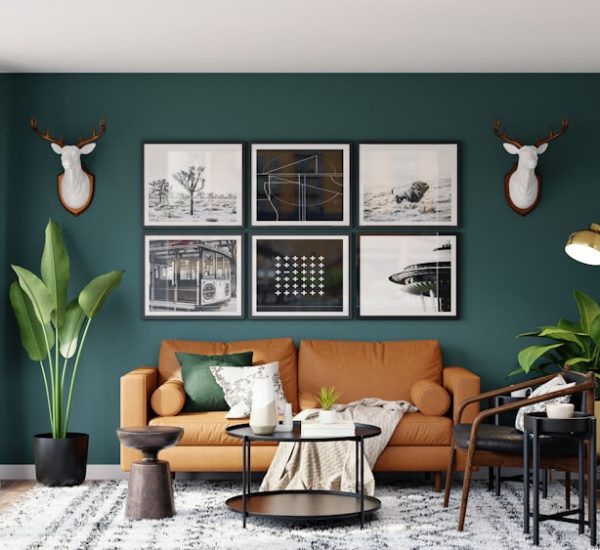
Gallery walls fail when they look like a storage solution for frames. The strongest ones feel collected over time, even when planned in one afternoon. They mix sizes, leave enough space between pieces, and usually share one quiet connection: tone, subject, frame finish, or mood. Without that connection, the wall turns into visual static.
Start with one anchor piece. It might be a large family photo, an old map, a charcoal sketch, or a print with strong color. Build around it slowly instead of filling the whole wall at once. A gallery wall above a console, for example, should relate to the width of the furniture below it. When the wall arrangement floats wider than the table, the room feels off-balance.
Personal wall styling gains strength from restraint. A hallway can hold more memories because people move through it. A living room wall needs more editing because people sit with it for longer. The location should decide the intensity.
Displaying Art at the Right Scale
Small art on a large wall often looks nervous. It may be beautiful up close, but from across the room it feels lost. Scale is one of the easiest ways to make a home look more settled. A large wall usually needs either one oversized piece, a balanced pair, or a clearly planned grouping. Random small frames rarely have enough presence.
Art should also relate to furniture height. Above a sofa, the piece or arrangement should usually sit close enough to feel connected, not hovering near the ceiling. Above a bed, art can sit lower than people expect because the headboard already creates a visual base. These choices sound small until you see the difference. Then they feel obvious.
Affordable art can still look strong when scaled well. A textile in a simple frame, a large black-and-white family image, or a canvas from a local maker can carry a room better than a cluster of tiny generic prints. Size gives confidence.
Finishing Walls With Practical Details That Last
After color, texture, and personal pieces are in place, the final layer decides whether the room feels polished or patched together. Practical details are not glamorous, but they quietly control the outcome. Lighting, spacing, maintenance, hardware, and wall function all shape how your choices hold up after the first week of admiration fades.
Using Lighting to Make Wall Features Work Harder
Lighting can make a modest wall look expensive, and poor lighting can flatten a brilliant one. A textured wall without angled light may lose half its depth. A painting under harsh overhead light can look dull or shiny in the wrong spots. The wall is only part of the design; the light tells people how to see it.
Picture lights, sconces, floor lamps, and hidden LED strips all change the mood. A picture light above one framed piece can make a small dining room feel intimate. Two sconces flanking a mirror can turn an entry wall into a proper arrival moment. A warm floor lamp beside a textured corner can make an evening room feel layered rather than dim.
Lighting also helps wall style ideas stay practical. If you work from home, the wall behind your desk may need to look calm on video calls while still feeling warm in person. A softly lit shelf or art piece can create interest without making the background distracting. The best walls support daily life, not only photos.
Choosing Durable Finishes for Real Homes
Beautiful walls must survive real hands, bags, chairs, pets, kids, dust, and sunlight. A chalky matte finish may look refined in a quiet bedroom, but it can become a frustration in a busy hallway. A high-gloss accent may feel dramatic at first, but it exposes every bump if the wall surface is uneven. Finish choice is design choice.
High-traffic spaces need smarter materials. Washable paint works well in corridors and family rooms. Tile or wipeable paneling can protect mudroom walls. Textured wallpaper may belong in a powder room or reading nook rather than behind a dining chair where it gets scraped. Homes are lived in by moving bodies, not frozen for photos.
Durability does not mean boring. It means choosing beauty that can take a few hits and still look loved. That is the kind of design people keep instead of replacing every year.
Conclusion
Walls should never be treated as leftover space after the furniture budget runs out. They are the surfaces that hold the atmosphere of your home, and they deserve decisions made with care rather than panic. A strong wall plan can make a modest room feel richer, a narrow room feel clearer, and a busy home feel more settled.
The best wall choices are not always the loudest ones. A quiet paint color, one well-sized artwork, a textured panel behind a bed, or a warmly lit shelf can change the way a room feels every single day. Good home wall decor respects both beauty and use, which is why it lasts longer than trend-driven decoration.
Start with one wall that bothers you most, then decide what it needs: mood, texture, personal meaning, or practical polish. That single decision will teach you more than scrolling through a hundred perfect rooms ever could, and your next wall will be easier because your home has already started speaking back.
Frequently Asked Questions
What are the best wall style ideas for small homes?
Choose lighter base colors, one clear focal wall, and larger art instead of many small pieces. Small homes need visual calm more than extra decoration. Texture can still work, but keep it controlled through slim paneling, woven pieces, or one warm material feature.
How can home wall decor make a room feel warmer?
Warmth comes from color, texture, lighting, and personal details working together. Soft neutrals, wood frames, fabric art, warm bulbs, and family photos can make a room feel more welcoming without crowding the walls. Avoid filling every blank spot.
What modern wall design works best in a living room?
A living room usually benefits from one strong focal wall behind the sofa, fireplace, or media area. Try muted paint, simple paneling, oversized art, or built-in shelving. The design should support conversation and comfort rather than compete with the seating.
How do I choose wall colors for different rooms?
Match the color to the room’s purpose and natural light. Bedrooms often need softer tones, dining rooms can handle richer shades, and hallways may need depth. Always test paint on the actual wall before committing because light changes everything.
Are accent walls still a good idea for homes?
Accent walls still work when they have a clear reason. They should frame a bed, sofa, fireplace, dining area, or entry feature. Random accent walls feel dated because they do not guide the room. Purpose keeps the idea fresh.
What wall decor mistakes make a home look cluttered?
Too many small frames, mismatched themes, poor spacing, and decoration on every wall create clutter fast. Leave some surfaces quiet so the stronger pieces can stand out. A blank wall can be part of the design, not a problem.
How can I style walls on a low budget?
Paint one wall, frame fabric or personal photos, thrift larger artwork, add simple shelves, or use peel-and-stick wallpaper in a small area. Budget walls look better when the scale is right and the choices feel intentional.
What wall features add value to everyday homes?
Durable paint, tasteful paneling, built-in shelving, good lighting, and well-scaled art add lasting value. These features improve daily living and make rooms feel finished. Avoid overly trendy finishes that future buyers may want to remove.