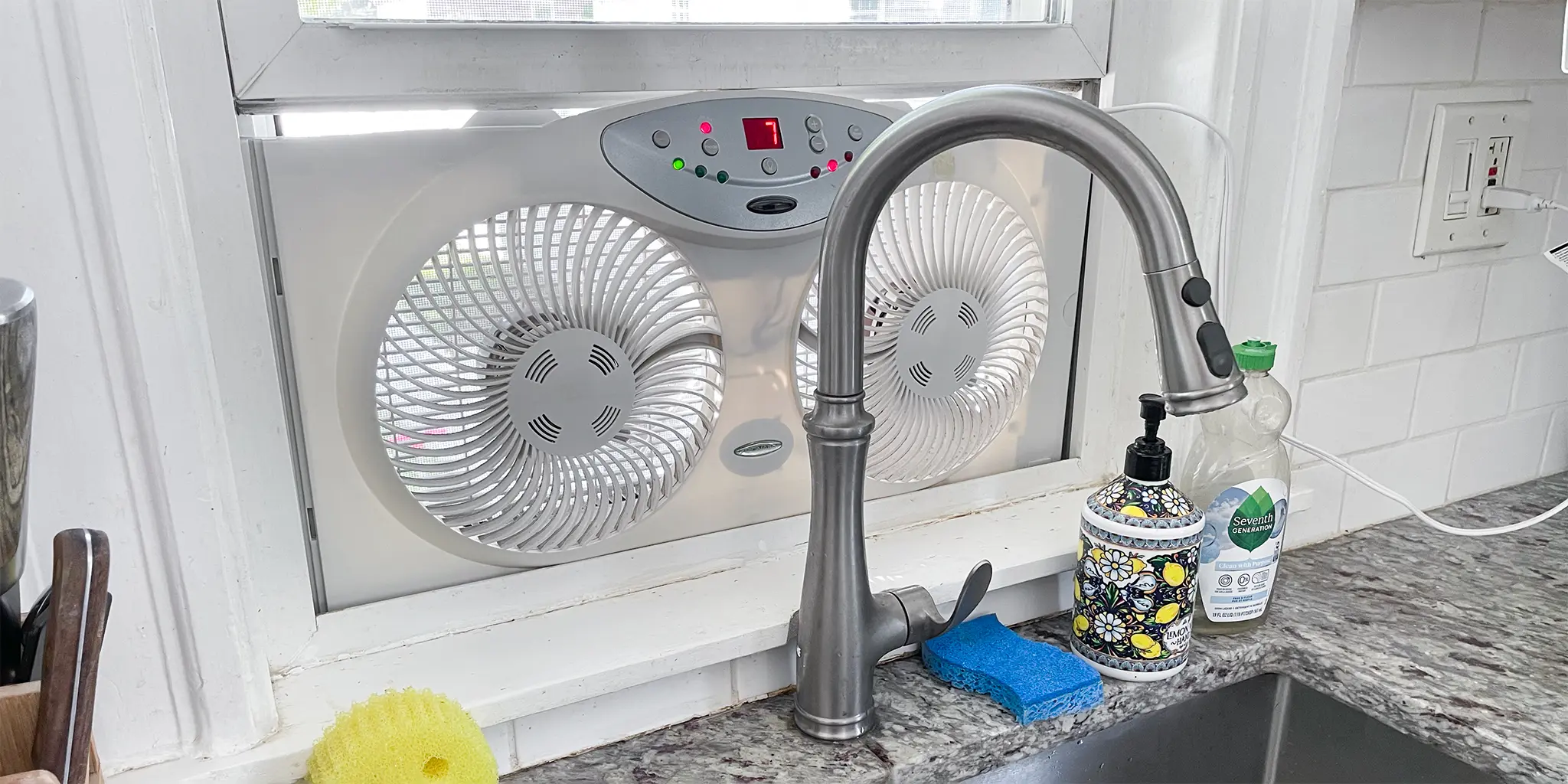
A kitchen island looks simple from across the room, but the wiring under it can decide whether the whole remodel passes inspection. If you are planning electrical outlet installation for a new island, the first answer is not “put one on the side panel.” In many U.S. jurisdictions, the older habit of hiding a receptacle below the counter lip may now fail. The safer plan starts with your local code edition, your countertop layout, and how people will use the island after the contractor leaves.
That means design has to come before cutting cabinet boxes. A family in Ohio may be adding outlets for a stand mixer and laptop charging. A condo owner in California may be working around slab floors and tight permit rules. Both want code compliant countertops, but the path may differ. Good planning also protects the finished look, which is why home upgrade resources like practical remodeling guidance matter when decisions touch design and safety at the same time. The goal is simple: power where you need it, no cord traps, no failed inspection, and no ugly last-minute patch.
Why Island Outlet Rules Changed and What Homeowners Miss
For years, homeowners treated island power like a fixed checklist item. If the island had a work surface, it needed a receptacle, and the common spot was the vertical cabinet wall under the overhang. That solved convenience on paper. In real kitchens, it also created dangling cords, hidden plugs, and awkward reaches around bar stools.
The 2023 NEC removed the long-standing default requirement for island and peninsula receptacles, while requiring a future wiring path when no receptacle is installed; local adoption still controls what your inspector enforces. NFPA’s NEC enforcement maps are a useful starting point, but your city or county electrical office has the final word.
Why the old side-panel outlet became a weak answer
The side-panel outlet used to feel tidy because it kept the counter clear. It also placed cords where people walk, sit, and pull chairs. A slow cooker plugged into the side of an island can leave a cord hanging across a child’s path. A phone charger can get tugged when someone turns on a stool. Small hazards add up in a busy kitchen.
The counterintuitive part is that fewer required outlets can be safer than poorly placed ones. That sounds wrong at first. More outlets usually feel safer because they reduce extension cord use. On an island, though, the wrong outlet can invite the exact cord behavior the code change tried to reduce. Power needs to meet the work surface, not hide below it.
This is where kitchen island outlets should be treated as a design feature, not an afterthought. If the island will hold a mixer lift, microwave drawer, beverage fridge, or prep sink, your plan is no longer about one general-use plug. It becomes a map of tasks, appliance loads, splash risk, and cord paths.
How code edition changes affect your permit
The hard part for homeowners is that “current code” does not mean the same thing everywhere. NFPA publishes the NEC, but states and cities decide when to adopt it. As of March 1, 2026, NFPA reported that the 2023 NEC was in effect in 25 states, while other states still used older editions. Local amendments can add another layer.
That matters because a kitchen in a 2020 NEC jurisdiction may be reviewed under rules that differ from a kitchen in a 2023 NEC jurisdiction. Under the older approach, island and peninsula surfaces were more likely to need receptacles based on size. Under the newer approach, the focus shifts to optional receptacles, future provisions, and allowed locations.
A practical example helps. Say you are remodeling a 7-foot island with a quartz top, seating on one side, and base cabinets on the other. In one city, the inspector may expect a receptacle layout based on the adopted older code. In another, the inspector may accept no island receptacle if a future wiring provision is built into the island. The countertop looks the same. The inspection path does not.
Electrical Outlet Installation That Matches the Code You Actually Face
Good electrical work starts with a boring question: which rules will your inspector apply? That question saves money. It keeps you from buying a pop-up unit your jurisdiction dislikes, cutting a stone top before approval, or leaving no path for a future receptacle when the plans need one.
The NEC is a model code, not a magic stamp on your house the day it is published. Local adoption is the legal trigger. The National Electrical Contractors Association describes the NEC as widely adopted and as a minimum set of electrical rules for safer installations. That minimum still has to pass through the local authority having jurisdiction, often called the AHJ.
Start with the AHJ before the countertop template
The smartest time to ask code questions is before the countertop template appointment. Once stone, butcher block, or solid surface material is measured and fabricated, every change becomes more expensive. A listed pop-up assembly may need a precise cutout. A future box may need a protected route inside the cabinet. A floor-fed island may need conduit placed before finished flooring.
Call the building department and ask three plain questions: which NEC edition is enforced, whether island receptacles are required for your scope, and which locations are accepted for optional outlets. Do not ask the internet to decide that for your city. Online advice can explain patterns, but the inspector signs the job.
A Dallas kitchen, for example, may have a different permit rhythm than a small town in Maine. Even inside one state, local amendments can change what the inspector wants to see. The non-obvious win is that a short call can also reveal inspection preferences that never appear in a blog post, such as whether the inspector wants product listing documents on site.
Plan the circuit around real kitchen behavior
Once the rule path is clear, plan the circuit like a person will use the space. People do not stand in neat code diagrams. They plug in a blender, charge a tablet, set down a hot tray, wipe water near the prep sink, and move stools into odd spots.
Kitchen small-appliance circuits are not where you guess. A licensed electrician will decide which branch circuit serves the island and whether the outlet must be GFCI protected, AFCI protected, or both under the adopted code. IAEI’s 2024 review of kitchen GFCI rules notes that the 2023 NEC expanded GFCI protection in dwelling kitchens, making location less central than it was in older editions.
For homeowners, the best role is to describe use. Tell the electrician if the island will handle holiday cooking, kids’ homework, a coffee setup, or a hidden appliance garage. A GFCI kitchen receptacle serving a prep zone has a different daily job than an outlet used once a month for a phone charger.
This is also where kitchen remodeling layout ideas can connect with electrical planning. Cabinet depth, stool spacing, sink placement, and appliance storage all shape outlet choice. A beautiful island that forces cords across a walkway is not finished. It is waiting for a problem.
Placement Options That Protect Safety and the Finished Look
Outlet placement on an island is a fight between convenience, code, and design. The cleanest look is not always the safest. The easiest wiring path is not always the one an inspector accepts. That tension is why island power should be drawn on the plan, not solved after cabinet install.
Under newer NEC guidance, optional island receptacles must avoid the old below-counter side locations that caused cord hazards. IAEI’s review of 2023 NEC changes states that desired island or peninsula receptacles must be on or in the countertop or work surface, with future wiring provisions in place when no receptacle is installed.
When a pop-up outlet makes sense
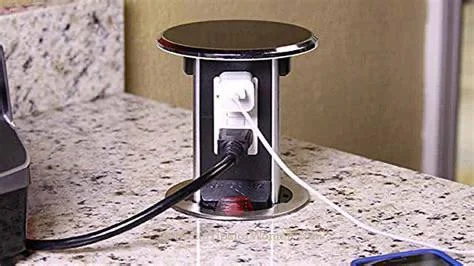
A listed pop-up or countertop-rated assembly can be the right answer when the island surface is the work zone. It brings power up to the plane where the appliance sits. That reduces dangling cords and keeps the outlet reachable. It also avoids cutting into decorative end panels or squeezing a device behind stool knees.
The catch is that not every pop-up belongs in every counter. The device must be listed for the location and installed according to its instructions. Stone thickness, drawer clearance, water exposure, and cleaning habits matter. A pop-up too close to a prep sink may annoy the inspector and the cook.
Picture a 9-foot island in a suburban Atlanta home with seating at one end and baking space at the other. A countertop-rated receptacle near the baking zone may serve the mixer without crossing the seating area. That is a better answer than placing a receptacle near the bar stools because the wire was easier to route.
Why future provisions are not wasted work
A future provision can feel like paying for something you are not using. That view misses the point. A raceway, conduit, cable system, or covered box gives the next owner, or your future self, a safe path to add power without tearing apart cabinets.
It is also a hedge against changing habits. Today you may want a bare waterfall island with no visible devices. Two years later, you may want a warming drawer, powered storage, or a better place for a laptop. The island did not change size. Your life changed around it.
The hidden detail is access. A future box buried behind a fixed panel is not useful in practice. Good planning leaves a route an electrician can reach without destroying finished materials. For code compliant countertops, the best electrical choice is often the one that respects tomorrow’s work as much as today’s inspection.
Cost, Coordination, and Mistakes That Cause Rework
Most island outlet problems are not caused by one bad device. They come from poor timing. The cabinet installer assumes the electrician will adapt. The countertop fabricator assumes the cabinet plan is final. The homeowner assumes code is the same as the last remodel they watched online.
That chain breaks fast. Electrical rough-in, cabinet layout, appliance specs, and countertop cutouts have to speak to each other. A small miss can become a visible patch in a costly slab or a failed inspection after the kitchen already looks done.
What affects the real project cost
Cost depends on access more than the outlet itself. A new island on an open subfloor is easier than adding power across a finished slab. A basement below the kitchen may cut labor. A post-tension concrete slab may remove options. A waterfall counter can complicate wiring paths and device placement.
The device choice matters too. A standard receptacle in an allowed location, a listed pop-up, and a specialty work-surface assembly do not cost the same. The electrician may also need to coordinate GFCI protection at the receptacle, breaker, or another allowed point. A GFCI kitchen receptacle is common language for homeowners, but the actual protection method belongs in the electrician’s plan.
A grounded example: adding island power during a full remodel in a Chicago-area home may be a modest part of the electrical scope because walls, floors, and cabinets are open. Adding the same feature after a finished quartz island is installed can require floor access, cabinet surgery, or a new countertop cutout. Same outlet goal. Different job.
Mistakes that make inspectors say no
The first common mistake is placing an outlet where older photos show one: low on the island side, under the overhang. In many newer-code projects, that answer can fail. The second mistake is buying a device that is attractive but not listed for countertop or work-surface use. Good design does not rescue the wrong product.
The third mistake is forgetting how the island will be cleaned. Water, crumbs, grease, and heavy cookware all punish poor placement. If an outlet sits in a spot where sauce gets wiped into it, the kitchen will teach you the flaw long after inspection.
One more mistake is treating permits like red tape. A permitted job gives you another set of eyes before the counter is drilled and before the cabinets are closed. That does not remove the need for skill, but it catches bad assumptions. For home electrical safety upgrades, that check can be worth more than the cost of the permit.
Conclusion
Island power used to be a simple yes-or-no item. Now it is a design decision tied to code edition, product listing, future access, and how your family cooks. That is a better way to think, even if it asks more from the planning stage.
The safest projects do not chase a hidden outlet. They ask where the cord will go, who might pull it, what the inspector will allow, and whether the next change can happen without damage. Electrical outlet installation belongs in the first round of island planning, not the final week before countertop delivery.
For most homeowners, the right move is simple: confirm the local NEC edition, talk with a licensed electrician, and settle the outlet plan before fabrication. Your island should feel calm, useful, and safe every day. Build the power plan like it matters, because it does.
Frequently Asked Questions
Do kitchen islands need electrical outlets under the 2023 NEC?
Under the 2023 NEC, island and peninsula receptacles are no longer required by default, but future provisions are generally part of the plan. Your city may still enforce an older NEC edition, so confirm the rule with the local electrical inspector before construction.
Where is the safest place to put kitchen island outlets?
The safest location is one that keeps cords off walkways and matches the adopted code. In newer-code projects, listed countertop or work-surface assemblies are often better than low side-panel outlets. Exact placement should be chosen before the countertop is cut.
Can I install an outlet on the side of my kitchen island?
Side-panel placement may fail under newer NEC rules, especially when it sits below the countertop and invites hanging cords. Some older-code jurisdictions may still allow or require different layouts. Ask the AHJ and your electrician before cutting panels.
Does a kitchen island outlet need GFCI protection?
In many U.S. kitchens, GFCI protection is required for receptacles, and the 2023 NEC expanded kitchen GFCI coverage. The protection may be at the outlet, breaker, or another approved point. A licensed electrician should match the method to local code.
Is a pop-up outlet allowed in a kitchen island countertop?
A pop-up outlet can be allowed when the device is listed for countertop or work-surface use and installed as instructed. Clearance below the counter, water exposure, and the countertop material all matter. Do not use a generic device in a countertop cutout.
Should I add an island outlet if code does not require one?
Add one when it improves real use without creating cord hazards. A baking zone, prep sink area, or charging spot may justify it. If you prefer a clean island top, plan a future provision so power can be added later without major damage.
Who should install wiring for a kitchen island outlet?
A licensed electrician should install the wiring, choose the circuit path, and handle GFCI or AFCI protection. Island wiring often involves floor feeds, cabinet access, and permit inspections. DIY mistakes can damage finished materials and create safety risks.
When should outlet planning happen during a kitchen remodel?
Plan island power before cabinet ordering and countertop templating. That timing lets the electrician, cabinet installer, and fabricator coordinate cutouts, clearances, and access. Waiting until the countertop is installed can turn a simple decision into expensive rework.