

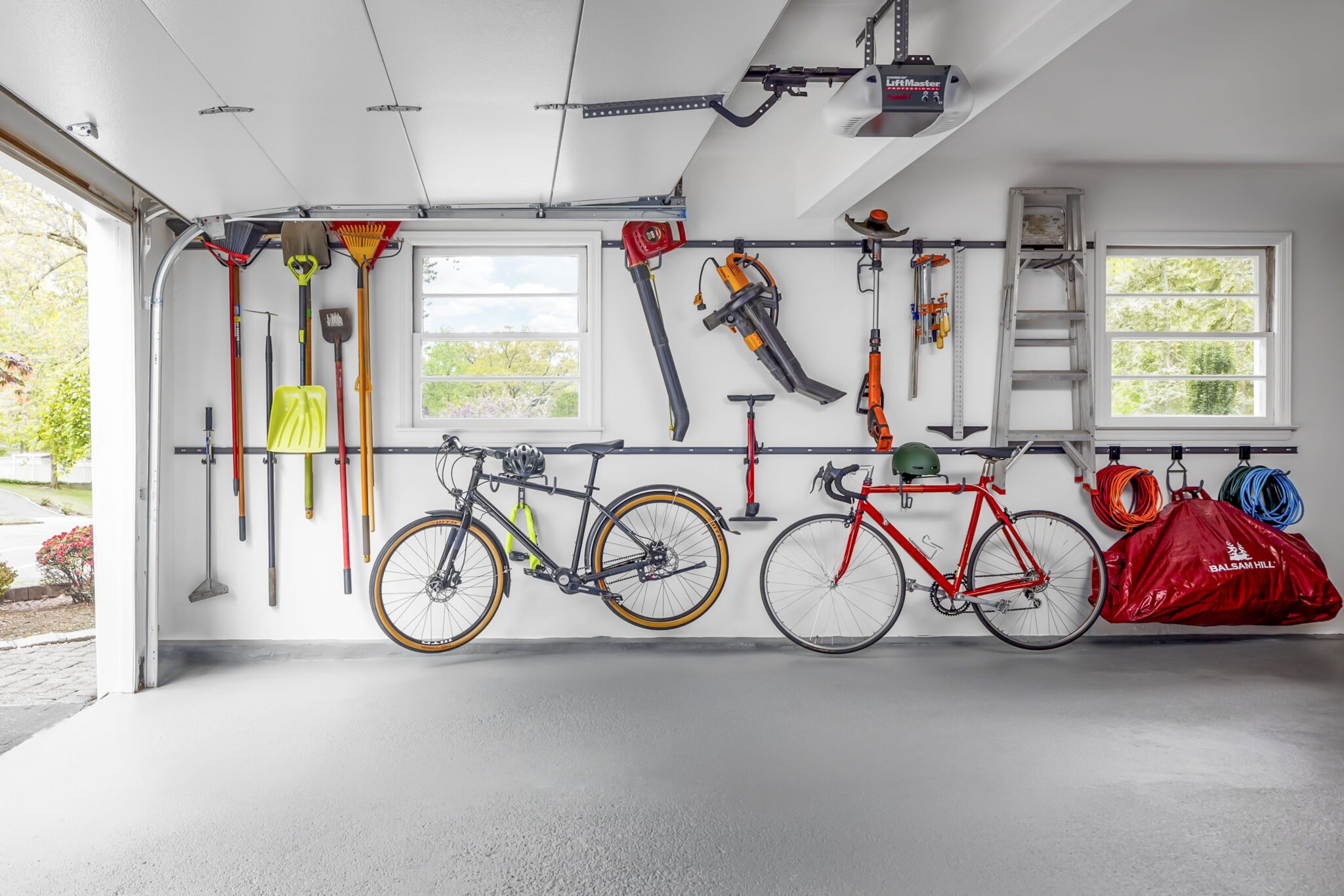
A garage can serve as far more than a place to park a vehicle. With the right garage organization systems, an ordinary garage can become an efficient, attractive, and highly functional part of the home. From tools and automotive equipment to bicycles, sports gear, seasonal decorations, and household supplies, a well-planned storage strategy makes it easier to keep everything accessible without sacrificing valuable floor space.
Clutter often develops when belongings do not have designated locations. Items get placed wherever space is available, making the garage harder to navigate and increasing the time spent searching for everyday essentials. Garaza Design helps homeowners create thoughtful organization solutions that combine storage capacity, accessibility, durability, and efficient use of available space.
Why Garage Organization Systems Matter
Garage organization is not simply about making a space look tidy. A well-organized garage can improve daily efficiency, protect belongings, and create a safer environment for household members.
Without an effective storage plan, tools may become scattered across work surfaces, sports equipment can occupy walkways, and seasonal belongings may pile up in corners. This creates unnecessary obstacles and makes it difficult to determine where specific items belong.
Garage organization systems establish a logical structure. Cabinets, wall storage, shelving, workstations, and overhead solutions can each serve a specific purpose. Instead of relying on random containers or temporary storage solutions, every category of belongings can have an appropriate place.
The benefits can include:
- Better use of vertical and horizontal space
- Easier access to frequently used equipment
- Reduced visual and physical clutter
- Improved protection for tools and belongings
- Clearer walkways and working areas
- Greater flexibility as storage needs change
- A more polished and cohesive appearance
The key is to design storage around actual needs rather than simply filling every available wall with cabinets or shelves.
Start With a Garage Storage Assessment
Before selecting storage components, assess how the garage currently functions. This step provides valuable insight into what should be stored, what needs to remain accessible, and which areas are being underused.
Begin by removing unnecessary items and grouping the remaining belongings by category. Common categories include automotive supplies, hand tools, power tools, gardening equipment, bicycles, sports equipment, cleaning products, seasonal decorations, and household overflow.
Next, consider how frequently each category is used. Items used every week should generally remain within easy reach, while seasonal or rarely needed belongings can occupy higher shelves or overhead storage.
Take note of the garage’s dimensions, wall space, ceiling height, doors, windows, electrical outlets, and vehicle parking requirements. These details can influence the placement and size of cabinets, shelving, workbenches, and other storage features.
A useful assessment should answer several questions:
- What items need the most storage space?
- Which belongings require quick and convenient access?
- Which items can be stored higher or farther from the main work area?
- How much wall space can be used without interfering with vehicles?
- Could unused vertical space provide additional storage?
- Does the garage need a dedicated work or hobby area?
Answering these questions before purchasing storage helps prevent inefficient layouts and unnecessary expenses.
Maximize Vertical Garage Storage
One of the most overlooked areas in many garages is the vertical space above and around eye level. Floors are often treated as the primary storage area, but using walls and ceilings effectively can significantly increase capacity without reducing parking or working space.
Wall-mounted cabinets can keep tools, chemicals, hardware, and other supplies contained and organized. Open shelving can provide convenient access to larger items, while slatwall or similar modular systems can support hooks, baskets, racks, and specialized accessories.
Vertical storage is particularly useful for garages with limited floor space. Instead of allowing boxes and equipment to spread across the ground, belongings can be arranged upward.
However, accessibility should remain a priority. Heavy objects should not be placed in difficult-to-reach locations, and frequently used equipment should stay within a comfortable working range. Proper installation is also important because storage components must be securely attached and appropriately rated for their intended loads.
Create Dedicated Garage Storage Zones
A garage becomes easier to maintain when each area has a specific function. Creating dedicated zones prevents different categories of belongings from becoming mixed together.
For example, one section can serve as an automotive zone for vehicle care products, spare parts, detailing supplies, and maintenance tools. Another area can accommodate gardening equipment, while a separate section can hold bicycles, helmets, sporting goods, or recreational equipment.
A workstation can become the central area for repairs, DIY projects, and hobbies. Cabinets positioned around the workstation can keep small tools and supplies organized while maintaining a clean working surface.
Zone-based organization also makes it easier for everyone in the household to return items to their correct locations. When storage categories are obvious, maintaining organization becomes a routine rather than a major cleaning project.
Organize Frequently Used Tools for Easy Access
Tools often become one of the biggest sources of garage clutter. Screwdrivers, wrenches, drills, saws, fasteners, and measuring equipment can quickly occupy drawers, benches, and shelves.
A better strategy is to organize tools according to frequency and purpose. Everyday tools should remain easily accessible, while specialized equipment can be stored in designated drawers or cabinets.
Drawer organizers can separate smaller hardware and accessories, reducing the frustration of searching through mixed containers. Pegboards, hooks, tool panels, and wall-mounted accessories can also keep commonly used equipment visible and within reach.
Clear organization does not mean every tool must remain exposed. Enclosed cabinets can provide a cleaner appearance while protecting equipment from dust and general garage conditions.
Consider Custom Garage Cabinets
Standard storage products can solve basic organization problems, but custom garage cabinets offer greater opportunities for creating a cohesive and space-efficient layout.
Custom cabinetry can be designed around the dimensions of a specific garage, including corners, wall lengths, ceiling heights, and existing obstacles. This can help reduce wasted space while accommodating specialized storage requirements.
Cabinet configurations can also be planned according to individual needs. A homeowner who frequently works on vehicles may require deeper storage and a dedicated work surface, while another household may prioritize sports equipment, gardening tools, and seasonal storage.
Durability should also be considered. Garage environments can experience temperature fluctuations, dust, moisture, and frequent handling. Selecting materials and hardware appropriate for these conditions can contribute to longer-lasting storage performance.
Keep Garage Workspaces Functional
For homeowners who use the garage for repairs, woodworking, crafting, maintenance, or other projects, organization should extend beyond storage.
A dedicated workbench can provide a stable surface for projects while creating additional storage opportunities underneath. Drawers can hold smaller tools, cabinets can accommodate larger equipment, and wall-mounted accessories can keep essential items nearby.
Lighting is another important consideration. A well-organized workspace becomes significantly more useful when task areas have sufficient illumination. Electrical outlets should also be considered during the planning stage, particularly when power tools, chargers, compressors, or other equipment are regularly used.
Keeping the workstation separate from general household storage can help maintain clear boundaries. This allows projects to remain organized without allowing tools and materials to spread throughout the garage.
Make Seasonal Storage More Efficient
Holiday decorations, winter equipment, camping supplies, and other seasonal belongings often occupy substantial amounts of garage space despite being used only periodically.
These items are ideal candidates for higher shelves, overhead storage, or clearly labeled containers. Grouping seasonal belongings together makes it easier to retrieve them when needed and return them to storage afterward.
Transparent containers can make contents easier to identify, while consistent labeling reduces unnecessary searching. Heavier seasonal items should remain in locations that can be accessed safely without excessive lifting or unstable stacking.
Overhead storage can be particularly valuable for lightweight items that do not need frequent access. Before installing overhead solutions, however, ensure that the structure and mounting system are suitable for the intended load.
Improve Garage Safety Through Organization
Organization can contribute to a safer garage when storage is planned thoughtfully. Clear walkways reduce trip hazards, while secure cabinets and shelves can help prevent objects from falling or becoming misplaced.
Sharp tools should be stored securely, and hazardous household products should be kept away from children and pets. Heavy equipment should remain on stable surfaces rather than precarious stacks.
Parking areas should also remain unobstructed. Storage should never interfere with vehicle doors, pedestrian paths, garage doors, emergency exits, or essential equipment.
Good organization should make the garage easier to use rather than creating new obstacles. Every storage decision should account for movement, accessibility, and safe handling.
Choose Storage Based on Long-Term Needs
Garage organization should not be viewed as a one-time project. Household needs can change over time, especially when new hobbies, vehicles, tools, or equipment are introduced.
Flexible garage storage systems can make future adjustments easier. Modular components, adjustable shelving, movable accessories, and configurable wall storage allow a layout to evolve without requiring a complete redesign.
Think about potential future needs before finalizing a storage plan. A few additional cabinets or adaptable wall sections may provide useful capacity later, even if they are not immediately necessary.
This forward-thinking approach can also prevent the common cycle of buying temporary storage products whenever clutter increases.
Combine Functionality With Visual Appeal
A practical garage does not have to look industrial or unfinished. Consistent cabinetry, coordinated storage components, clean lines, and organized surfaces can create a more refined appearance.
Visual consistency also makes it easier to identify misplaced belongings. When every category has a defined location, clutter becomes more noticeable and easier to correct.
A visually organized garage can also increase the perceived value of the space. Instead of treating the garage as an afterthought, homeowners can approach it as an extension of the home’s overall functionality and design.
The strongest garage layouts balance three elements: appearance, accessibility, and capacity. Focusing too heavily on one factor can compromise the others.
Common Garage Organization Mistakes to Avoid
Even well-intentioned organization projects can become ineffective when storage is selected without considering how the garage is actually used.
Common mistakes include:
- Filling floor space with freestanding storage
- Storing frequently used items in hard-to-reach locations
- Buying storage before measuring the garage
- Ignoring vertical wall and ceiling space
- Mixing unrelated categories together
- Overloading shelves or cabinets
- Creating storage that blocks electrical outlets or access points
- Choosing temporary solutions that do not support long-term needs
Avoiding these problems begins with planning. Measure the space, identify priorities, establish zones, and select storage components based on actual usage.
Build a Garage That Works for Everyday Life
A successful garage organization project should make everyday activities simpler. Whether the space supports vehicle maintenance, weekend projects, family hobbies, outdoor recreation, or general household storage, organization should reflect the people who use it.
The best garage organization systems combine practical storage with thoughtful design. Cabinets can conceal clutter, wall systems can make tools accessible, shelving can increase capacity, and dedicated workspaces can give projects a defined home.
Most importantly, an organized garage should remain easy to maintain. When belongings have logical locations and the layout supports everyday routines, returning items to their proper places becomes much easier.
Conclusion
A functional garage begins with more than simply removing clutter. It requires a deliberate approach to storage, accessibility, safety, and space utilization. Garage organization systems can transform underused walls, corners, and work areas into valuable storage while keeping essential belongings organized and accessible.
From vertical storage and dedicated zones to custom cabinetry and adaptable workspaces, each element can contribute to a more efficient garage. Garaza Design provides thoughtful solutions that help homeowners create organized spaces tailored to their storage needs and daily routines.
For homeowners ready to move beyond temporary storage fixes, thoughtful garage organization can provide a lasting improvement. A carefully planned garage becomes easier to navigate, maintain, and enjoy, making it better equipped for everything from everyday storage to serious projects.