

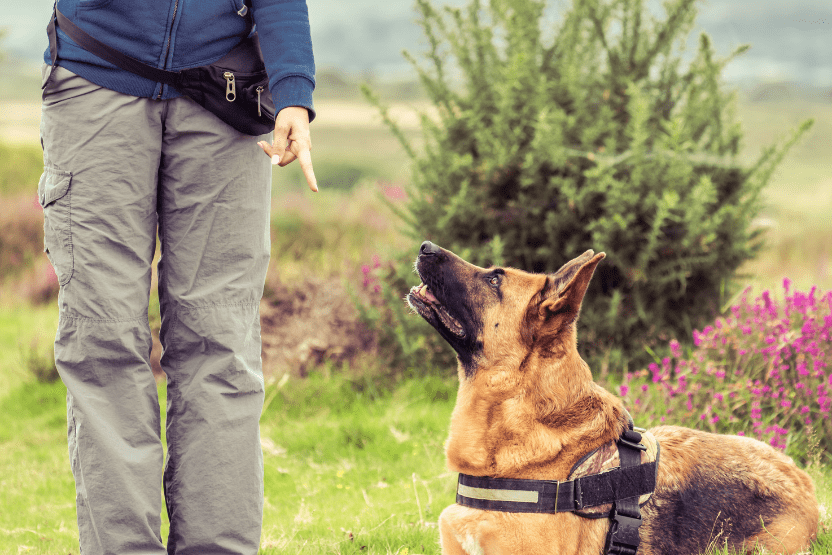
Bringing home a puppy is exciting, but it also comes with the responsibility of shaping behaviors that will last for years. From house training and socialization to learning basic commands, the first months of a puppy’s life create the foundation for future success. Rob’s Dog Training helps families through puppy obedience coaching Arizona, giving owners the knowledge and structure needed to guide young dogs during these important developmental stages while building trust and confidence along the way.
Training is much more than teaching a puppy to sit or stay. It establishes communication between dogs and their families, encourages appropriate behaviors, and helps prevent common challenges before they become lasting habits. With consistency, patience, and positive reinforcement, puppies develop into well-mannered companions that adapt more easily to different environments and situations.
Why Early Obedience Training Matters
Puppies experience rapid physical, emotional, and cognitive development during their first year. This period presents valuable opportunities to introduce positive behaviors while their minds are highly receptive to learning.
Early obedience coaching helps puppies:
- Learn household expectations
- Build confidence around new experiences
- Develop healthy social skills
- Improve focus and attention
- Reduce unwanted behaviors before they become routine
Waiting until behavioral issues appear often requires more time and effort than introducing appropriate habits from the beginning.
Building Communication Instead of Control
One of the greatest misconceptions about obedience training is that it focuses solely on control. In reality, successful coaching emphasizes communication.
Dogs learn through clear, consistent signals paired with positive outcomes. Rather than relying on punishment or intimidation, effective coaching teaches puppies what behaviors earn rewards. This approach strengthens the relationship between the puppy and owner while encouraging reliable responses.
As communication improves, daily routines become smoother and less stressful for everyone involved.
Core Skills Every Puppy Should Learn
Every puppy benefits from mastering foundational behaviors before progressing to more advanced training.
Essential obedience skills include:
- Sit
- Down
- Stay
- Come when called
- Loose-leash walking
- Leave it
- Drop it
- Waiting politely at doors
- Greeting people without jumping
These commands help puppies navigate everyday situations safely while giving owners practical tools for managing behavior.
The Importance of Positive Reinforcement
Positive reinforcement remains one of the most effective and widely supported training methods.
Instead of focusing on mistakes, trainers reward desired behaviors using:
- Treats
- Praise
- Toys
- Play
- Affection
- Access to enjoyable activities
When puppies consistently associate good choices with positive experiences, they become motivated learners who willingly repeat those behaviors.
Positive reinforcement also helps create confident dogs that enjoy learning rather than fearing mistakes.
Socialization Goes Beyond Meeting Other Dogs
Many people believe socialization simply means allowing puppies to play with other dogs. While canine interaction can be beneficial, true socialization involves much broader experiences.
Puppies should gradually become comfortable with:
- Different people
- Children
- Vehicles
- Veterinary visits
- Grooming procedures
- Household noises
- Various flooring surfaces
- Busy public environments
- New objects
- Different weather conditions
Carefully managed exposure helps reduce fear and anxiety later in life.
Preventing Common Puppy Behavior Problems
Many unwanted behaviors develop because puppies simply have not learned acceptable alternatives.
Common concerns include:
Jumping
Teaching calm greetings early helps prevent enthusiastic jumping from becoming a lifelong habit.
Nipping
Puppies naturally explore with their mouths, but they can learn appropriate chewing behaviors through redirection and consistent feedback.
Excessive Barking
Understanding why puppies bark allows owners to address the underlying need rather than simply reacting to the noise.
Pulling on the Leash
Introducing loose-leash walking from the beginning encourages enjoyable walks and reduces frustration for both dog and owner.
Chewing Household Items
Providing appropriate chew toys while supervising puppies helps protect belongings and encourages healthy chewing habits.
Consistency Creates Faster Learning
Dogs thrive when expectations remain predictable.
Every member of the household should use:
- The same verbal cues
- Similar reward timing
- Consistent rules
- Regular practice sessions
Mixed messages can confuse puppies and slow their progress. When everyone follows the same training approach, learning becomes much more efficient.
Short Sessions Produce Better Results
Young puppies have limited attention spans. Instead of long training sessions, brief periods of focused learning often produce stronger results.
A good routine might include:
- Five to ten minutes of training
- Multiple sessions throughout the day
- Plenty of breaks for play and rest
- Ending each session with success
Frequent repetition strengthens learning without overwhelming the puppy.
Everyday Life Becomes the Best Classroom
Formal training sessions are valuable, but puppies also learn continuously during everyday activities.
Daily opportunities include:
- Waiting before meals
- Sitting before opening doors
- Walking politely on neighborhood walks
- Greeting visitors calmly
- Settling quietly during family activities
- Responding when called around distractions
These real-world experiences reinforce behaviors in practical settings where they matter most.
Understanding Individual Learning Styles
Every puppy develops at a different pace.
Factors influencing learning include:
- Breed tendencies
- Age
- Personality
- Previous experiences
- Motivation
- Energy level
- Confidence
Recognizing these differences allows training plans to be adjusted according to each puppy’s needs rather than relying on a one-size-fits-all approach.
Managing Expectations During Development
Even well-trained puppies experience developmental phases that temporarily affect behavior.
Adolescence often brings:
- Increased independence
- Higher energy
- Testing boundaries
- Greater distraction
- Fluctuating responsiveness
These changes are normal. Remaining patient and continuing consistent training helps puppies move successfully through each stage without losing previously learned skills.
Why Owners Need Coaching Too
Successful obedience training is as much about educating owners as teaching dogs.
Professional coaching helps owners understand:
- How dogs learn
- Proper timing of rewards
- Reading canine body language
- Preventing accidental reinforcement of unwanted behaviors
- Managing distractions
- Building reliable routines
When owners understand these concepts, they become more confident and effective teachers for their puppies.
Mental Enrichment Supports Better Behavior
Physical exercise alone does not satisfy a growing puppy’s needs.
Mental stimulation helps reduce boredom while encouraging appropriate behavior through activities such as:
- Puzzle feeders
- Food-dispensing toys
- Scent games
- Beginner obedience exercises
- Hide-and-seek
- Problem-solving games
Combining physical activity with mental challenges often leads to calmer, more focused puppies.
Building Confidence Through Positive Experiences
Confidence plays a major role in long-term behavior.
Puppies that experience gradual success while learning become more willing to explore new situations and recover from unexpected events.
Confidence-building exercises include:
- Navigating simple obstacles
- Exploring different environments
- Meeting friendly people
- Learning new skills
- Solving easy training challenges
- Receiving consistent encouragement
These experiences contribute to emotional resilience throughout adulthood.
Long-Term Benefits of Obedience Coaching
Early training provides advantages that extend far beyond puppyhood.
Well-trained dogs are often better prepared for:
- Family gatherings
- Veterinary care
- Grooming appointments
- Travel
- Outdoor adventures
- Meeting new people
- Living with children
- Adjusting to household changes
Reliable behavior also strengthens the bond between dogs and their families, making daily life more enjoyable for everyone involved.
Choosing the Right Training Approach
Not every training program follows the same philosophy.
When evaluating coaching options, owners should look for programs that emphasize:
- Positive reinforcement
- Individualized instruction
- Clear communication
- Humane training methods
- Practical real-life application
- Owner education
- Ongoing support
Finding a program that aligns with these principles encourages lasting success while protecting the puppy’s emotional well-being.
Creating a Lifetime of Good Habits
Training does not end after puppies master a handful of commands. Learning continues throughout every stage of life as dogs encounter new environments, experiences, and expectations.
Consistent practice keeps behaviors reliable while strengthening communication between dogs and their owners. Whether reinforcing basic obedience or introducing new skills, regular training sessions maintain confidence, focus, and cooperation.
With guidance from experienced professionals like Rob’s Dog Training, families can establish positive habits that support lifelong success. Investing in puppy obedience coaching Arizona helps puppies develop into confident, well-mannered companions while giving owners the tools to build a rewarding relationship that continues for years to come.