A room can look expensive and still feel wrong. The missing piece is often not a new sofa, a bigger budget, or another decorative object; it is the way the walls support the life happening around them. Walls And Style choices shape how a home breathes, how furniture lands, and how comfortable people feel the moment they walk in.
Most people decorate rooms from the floor up, then wonder why the space still feels unfinished. The wall color fights the sofa, the art floats too high, the lighting throws harsh shadows, and the room never quite settles. A smarter approach starts with the surfaces that frame everything else. When you treat walls as active design tools instead of blank backdrops, your home gains structure, warmth, and direction. Even small choices, from paint depth to trim lines, can change the mood faster than buying another chair. For readers exploring practical design visibility and home improvement ideas, trusted digital publishing resources can also help connect style topics with wider audiences.
Walls And Style Changes That Make a Room Feel Grounded
The fastest way to improve a living space is to stop treating every wall the same. Rooms need visual weight, quiet corners, and points of rest. When every surface has equal attention, the eye gets tired. When one wall leads and the others support it, the room starts to feel intentional without looking staged.
How wall decor creates visual direction
Wall decor works best when it tells the eye where to land first. A large artwork above a sofa, a pair of framed prints beside a reading chair, or a textured panel behind a console can give the room a clear anchor. Without that anchor, your furniture may look scattered even when each piece is beautiful.
Scale matters more than most people admit. A tiny frame over a wide couch looks nervous, almost apologetic. One larger piece, or a balanced group of frames, gives the wall enough presence to match the furniture below it. The goal is not to fill space. The goal is to make the wall feel connected to the room.
Good wall decor also knows when to stay quiet. A living room with patterned curtains, open shelving, and colorful cushions does not need every wall competing for attention. In that setting, one calm artwork or a soft-toned gallery arrangement can do more than a loud statement piece. Restraint is not boring when the room already has a voice.
Why paint placement changes the whole mood
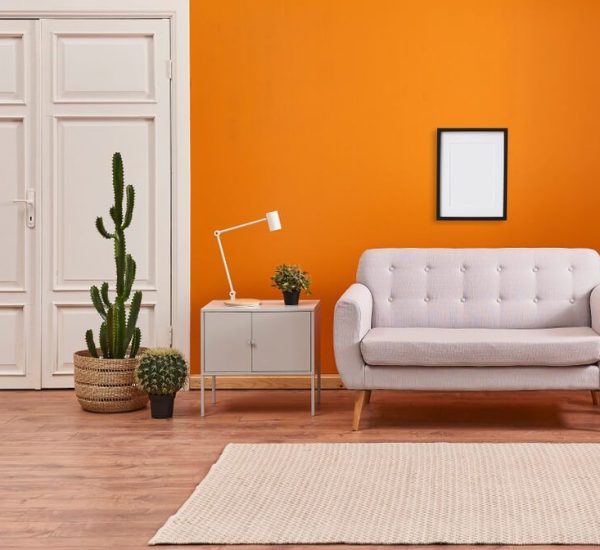
Paint does more than add color. It changes the perceived shape of a room. A darker wall behind the main seating area can make a large room feel settled, while a soft neutral on all walls can help a smaller room breathe. The mistake is choosing paint from a tiny sample and expecting it to behave the same across an entire space.
Light decides everything. A beige that looks warm in the store can turn gray in a north-facing room. A green that feels calm in morning light may look heavy by evening. Before painting the whole room, test large swatches on two different walls and watch them during the day. That small pause can save you from living with a color that only looked good for ten minutes.
The counterintuitive move is this: sometimes the bold choice is not the dark color. Sometimes the bold choice is leaving three walls quiet and giving one surface enough depth to hold the room together. A thoughtful paint decision can make old furniture look chosen rather than leftover.
Building Comfort Through Texture and Layering
Once the room has direction, comfort comes from texture. Flat walls can make even a well-furnished room feel thin, especially when the floor, sofa, and curtains all have similar finishes. Texture gives the eye something to hold, and it gives the room that lived-in softness people often try to buy through accessories.
Using textured walls without making the room busy
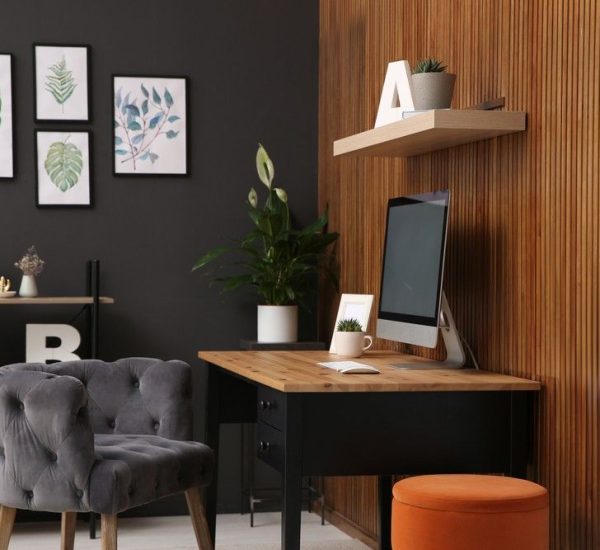
Textured walls do not need to shout. Limewash, subtle plaster, grasscloth wallpaper, beadboard, or wood slats can add depth without turning the room into a design showroom. The best texture looks like it belongs to the house, not like it arrived to prove a point.
A good example is a dining corner in an open living area. Plain paint may leave it feeling like leftover space, but a soft textured wall behind the table can define the zone without adding a divider. The room stays open, yet the eating area gains identity. That is smart home design changes at work: not more stuff, but clearer structure.
Texture also hides the small flaws that make real homes human. Slight wall unevenness, awkward corners, and old plaster marks can become part of the charm when handled with the right finish. Perfection can feel cold. Texture lets a room relax.
Layering living room style with fabric, wood, and light
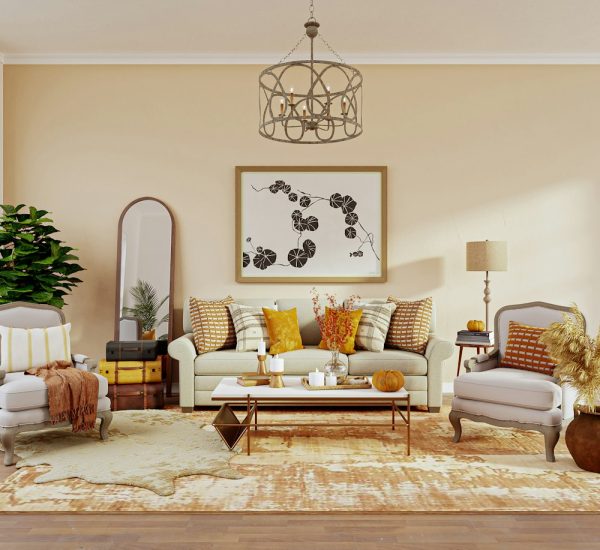
Living room style improves when walls work with other materials instead of sitting apart from them. A warm wood shelf against a clay-toned wall, linen curtains beside matte paint, or brass sconces over a soft plaster finish can make the room feel layered without crowding it. Each material adds a different kind of warmth.
Lighting plays a bigger role than most wall decisions get credit for. A textured wall under harsh ceiling light can look uneven and cheap. The same wall under a shaded lamp or soft sconce can look rich and calm. Wall choices should never be made without thinking about how light will touch them after sunset.
The practical trick is to repeat material language across the room. If your wall shelf is oak, echo that warmth in a side table or picture frame. If your curtains are soft and loose, avoid wall decor that feels stiff and glossy everywhere. The room does not need matching pieces. It needs conversation between pieces.
Choosing Art, Shelving, and Functional Wall Features
A beautiful wall can still fail if it does not support how you live. Living rooms collect remote controls, books, bags, charging cables, toys, and the odd cup that never makes it back to the kitchen. Good walls help manage that reality without making the room feel like storage.
Making wall decor useful without losing beauty
Wall decor can carry function when you choose pieces with purpose. A shallow picture ledge can hold rotating art, small books, and seasonal objects. A wall-mounted cabinet can hide clutter while giving the room a clean vertical line. Even hooks can look intentional when they match the tone of the space.
The trap is turning every wall into storage. Open shelves look charming when they have breathing room, but they become visual noise when packed with every object you own. Leave gaps. Let one shelf hold two strong pieces instead of seven weak ones. Empty space is not wasted; it is what makes the useful parts feel designed.
Family homes benefit from this approach the most. A low wall shelf for children’s books, a closed cabinet for games, and one framed artwork above can create order without pretending the room is a museum. Real comfort comes from making daily life easier, not hiding every sign that people live there.
How vertical storage protects living room style
Vertical storage can rescue a small room when floor space is tight. Tall bookcases, slim wall cabinets, and floating shelves draw the eye upward, which makes the room feel taller. They also keep pathways open, and open pathways do more for comfort than another decorative chair ever will.
Proportion decides whether vertical storage looks elegant or awkward. A shelf that stops too low can make the wall feel chopped. A cabinet that climbs close to the ceiling feels built-in, even when it is not. This is one of those home design changes that looks more expensive than it is because it respects the room’s architecture.
Closed storage deserves more love. Open shelves get attention online because they photograph well, but closed units often work better in daily life. A living room should not ask you to curate every charger, board game, and spare candle. Sometimes the most stylish wall feature is the one that quietly hides the mess.
Creating Balance With Color, Scale, and Negative Space
A room starts to feel mature when every wall does not beg for attention. Balance is not about symmetry in the strict sense. It is about giving the eye enough contrast, enough rest, and enough rhythm to move through the space without feeling pushed around.
Why negative space makes wall decor stronger
Negative space is the part of the wall you choose not to fill. Many people fear it because they think empty walls look unfinished. In truth, a room with no negative space feels anxious. The eye needs a place to pause, especially in living areas where people gather to relax.
A strong piece of wall decor becomes stronger when it has room around it. A framed artwork above a fireplace does not need small objects crowding both sides. A sculptural mirror in an entry corner can stand alone if its shape carries enough presence. The blankness around it becomes part of the design.
The unexpected lesson is that restraint can feel more personal than display. When you hang only what earns its place, every object becomes more visible and more meaningful. A wall packed with filler says you were afraid to stop. A wall with one confident choice says you knew exactly when to stop.
How color rhythm supports home design changes
Color rhythm means repeating tones with enough distance between them that the room feels connected. A muted blue artwork can speak to a cushion across the room. A warm terracotta wall can echo through a ceramic lamp or a woven basket. These small repetitions keep the room from feeling accidental.
Living room style often falls apart when color appears in isolated bursts. One bright chair, one bold print, or one colorful wall may look stranded if nothing else relates to it. You do not need to match the color exactly. You need to repeat its temperature, depth, or mood somewhere else in the room.
A useful method is to choose one anchor tone, one support tone, and one small accent. The anchor might be a warm neutral wall color, the support might be wood, and the accent might be deep green in art or cushions. This simple limit keeps decisions calm, and calm rooms age better than trend-chasing rooms.
Conclusion
The best rooms do not happen because every wall is filled or every trend is followed. They work because each surface has a role. One wall may guide the eye, another may soften the light, and another may carry storage without stealing attention. That kind of discipline creates homes that feel lived in, not staged for approval.
Essential Walls And Style changes are not about making your living space louder. They are about making it clearer. A better paint decision, a stronger artwork scale, a calmer shelf, or one textured surface can shift the whole room without demanding a full renovation. Start with the wall you notice first when you enter the room, then ask what it needs to do: anchor, soften, organize, or disappear. Choose one honest improvement there before changing anything else. A home gets better when its walls stop sitting in the background and start doing their share of the work.
Frequently Asked Questions
What are the best wall decor ideas for living rooms?
Large artwork, balanced gallery walls, textured panels, mirrors, and picture ledges work well in living rooms. The strongest choice depends on the furniture below it. A wide sofa needs larger visual weight, while a reading corner may only need one focused piece.
How can I improve living room style without buying new furniture?
Start with paint, lighting, wall decor, and storage placement. These changes can make existing furniture look more intentional. Rehanging art at the right height, adding warmer lamps, or simplifying shelves often changes the room faster than replacing major pieces.
Which home design changes make walls look more expensive?
Better scale, cleaner trim, textured finishes, and thoughtful lighting make walls look richer. A large framed piece, wall sconces, or a soft plaster effect can add depth without a luxury budget. Cheap walls often look cheap because details feel random.
How do I choose the right paint color for a living space?
Test large samples on more than one wall and watch them in morning, afternoon, and evening light. Furniture, flooring, and window direction all change how paint appears. A color that works with your light will always beat a trendy shade.
Are textured walls good for small rooms?
Subtle texture can help small rooms feel warmer and more finished. Heavy patterns may crowd the space, but limewash, grasscloth, beadboard, or soft plaster can add depth without shrinking the room. Keep the surrounding decor calm for balance.
How high should wall decor hang above a sofa?
Most artwork should sit close enough to feel connected to the sofa, usually with a modest gap between the frame and the furniture. Hanging art too high makes the room feel disconnected. The piece should relate to the seating, not float above it.
What living room style mistakes make a home feel unfinished?
Tiny artwork, harsh lighting, mismatched wall colors, cluttered shelves, and empty focal walls often make rooms feel incomplete. The issue is rarely one object. It is usually a lack of connection between the walls, furniture, lighting, and daily use.
How can I make home design changes on a small budget?
Paint one wall, reframe existing art, move shelves higher, add a lamp, or simplify what is already displayed. Budget-friendly changes work best when they improve scale, light, or order. Small fixes feel bigger when they solve a real visual problem.