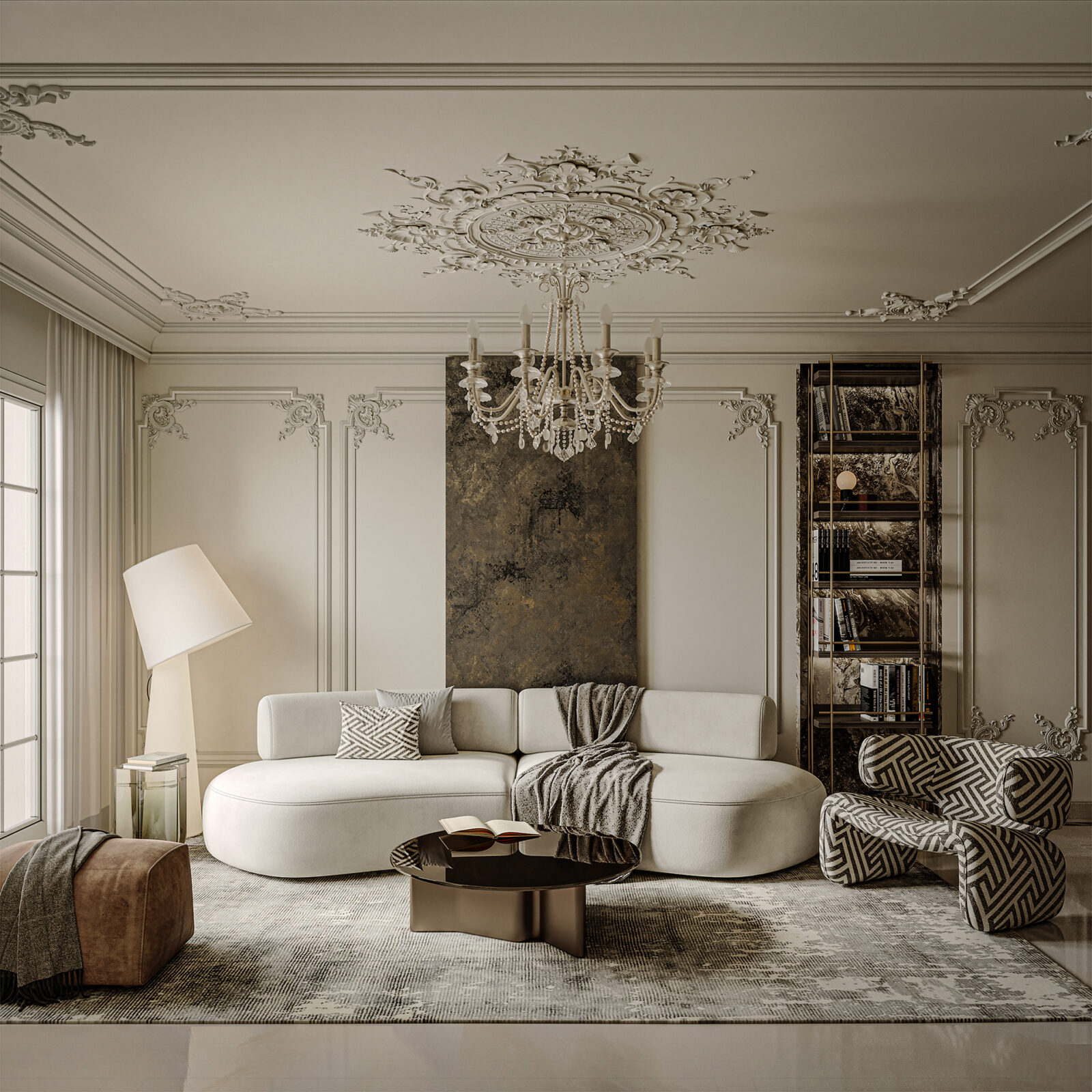
A room can look expensive and still feel cold, which is why walls deserve more attention than they usually get. Paint, texture, scale, lighting, and art decide whether your home feels flat or finished long before the furniture gets judged. The right Walls And Style choices do not shout for attention; they quietly pull the entire room into place. A plain sofa can look intentional against the right backdrop, while a costly one can look lost against a careless wall. That is the part many homeowners miss.
Great interiors are not built by copying a showroom. They come from noticing how you live, how light moves through your rooms, and what kind of mood you want to return to at the end of the day. A wall is not a blank surface waiting for decoration. It is the room’s emotional boundary. Done well, it can soften noise, add depth, guide the eye, and make ordinary daily moments feel better. For homeowners, designers, and brands sharing home ideas through trusted platforms like interior design publishing networks, the strongest spaces start with walls that carry purpose, not clutter.
Walls And Style Inspiration Begins With Mood, Not Paint
A beautiful wall treatment can fail when it ignores the room’s mood. The smartest interiors begin by asking what the room should feel like before choosing color, panels, art, shelves, or lighting. A bedroom needs a different kind of confidence than a dining room. A hallway needs movement. A living room needs welcome. When mood comes first, wall design ideas stop feeling random and start feeling personal.
Warm wall colors that change the room’s behavior
Warm wall colors do more than make a room look cozy. They change how people behave inside it. Soft clay, muted beige, warm white, olive, taupe, and gentle terracotta slow the eye down. They make guests settle in instead of scanning the room for something interesting. That matters in spaces where comfort carries more value than drama.
The mistake is thinking warmth always means darkness. A pale biscuit wall can feel warmer than a deep brown one if the room has little natural light. A north-facing room, for example, often turns cool colors dull by late afternoon. In that case, warm wall colors can rescue the space without making it feel heavy.
A good test is simple. Look at the wall in morning light, afternoon light, and lamplight before committing. Paint does not live on a swatch; it lives through the day. That is where many interior walls go wrong.
Textured wall finishes that add quiet depth
Texture gives a room memory. Limewash, plaster, grasscloth, fluted wood, fabric panels, and stone details add depth without needing loud color. The best textured wall finishes do not demand constant attention. They reward a second look.
Flat paint can work, but it often leaves large rooms feeling unfinished. A dining area with limewash behind a simple wooden table can feel layered even with minimal furniture. A bedroom with fabric wall panels behind the bed can feel calmer because the surface absorbs both sound and visual harshness.
Texture also helps when you want restraint without boredom. Not every room needs a gallery wall or a statement mural. Sometimes the smartest move is a surface that catches light differently across the day. That is how textured wall finishes make a space feel designed without making it feel decorated to death.
Use Scale To Make Interior Walls Feel Intentional
Once the mood is clear, scale becomes the next test. Many rooms fail because the wall choices are too small, too scattered, or too timid. A tiny frame on a wide wall looks nervous. A narrow shelf floating alone above a large sofa feels like an apology. Strong interior walls respect proportion before decoration begins.
Large wall art that gives the eye a place to land
Large wall art works because it gives the room a visual anchor. One oversized piece above a sofa often feels more mature than six small frames fighting for attention. The wall gets a center of gravity, and the furniture suddenly feels connected to it.
Scale should relate to what sits below it. A piece above a console table should usually cover a strong portion of the furniture width, not hover like an afterthought. A living room with a long sectional needs art with enough presence to balance the seating. Otherwise, the wall looks underdressed no matter how good the furniture is.
Large wall art does not need to be expensive. A framed textile, black-and-white photograph, abstract canvas, or even a large handmade paper piece can work. The secret is confidence. Small choices often create more visual noise than one bold decision.
Built-in shelves that solve style and storage together
Built-in shelves can turn awkward walls into useful architecture. They frame books, ceramics, plants, baskets, and lighting in a way freestanding furniture rarely matches. More than storage, they give the room rhythm.
The danger is overfilling them. A shelf packed from edge to edge may hold more, but it rarely looks better. Negative space matters. A few stacked books, one sculptural object, and a warm lamp can say more than twenty tiny pieces lined up like a shop display.
Built-ins also work well around fireplaces, windows, and media walls. In a small apartment, shallow shelves painted the same color as the wall can add function without shrinking the room visually. That is one of the most useful wall design ideas for homes where every inch has to earn its keep.
Style Comes From Contrast, Not Matching Everything
A room where every surface agrees too politely can feel lifeless. Contrast gives interiors their pulse. Smooth against rough, old beside new, matte near shine, pale beside deep — these pairings make the eye stay interested. The best walls do not match the room. They challenge it in the right amount.
Accent walls that work because they have a reason
Accent walls fail when they exist only because someone felt the room needed “something.” A wall deserves emphasis when it has a job: framing a bed, defining a dining nook, highlighting a fireplace, or giving structure to an open-plan layout. Without that job, the accent can feel like a random patch of ambition.
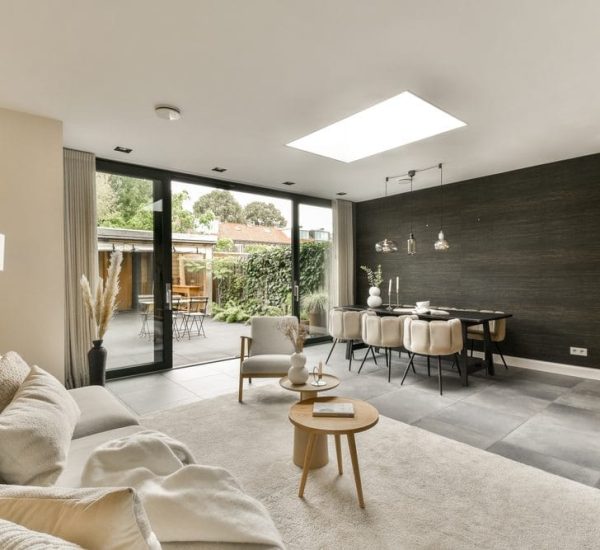
A deep green wall behind a bed can work because it creates rest and focus. A dark charcoal wall behind a television can reduce glare and hide the screen’s visual weight. A wallpapered dining wall can make meals feel more intimate because it marks the zone clearly.
The strongest accent walls also connect to the rest of the room. A color should echo in a cushion, rug, artwork, or wood tone somewhere else. That small repetition keeps contrast from feeling detached. Good Walls And Style decisions know when to stand out and when to belong.
Mixed materials that make rooms feel collected
Mixed materials create the sense that a room grew over time. Wood trim, stone cladding, painted plaster, metal picture rails, ceramic sconces, and woven panels can sit together beautifully when the palette stays disciplined. Variety needs boundaries.
One practical example is a hallway with painted lower paneling and simple art above. The lower section protects the wall from daily scuffs, while the upper section keeps the space open. Another example is a living room with a plaster fireplace wall, oak shelves, and linen lampshades. Nothing screams, yet everything has texture.
The counterintuitive truth is that too much matching can make a home feel less expensive. Real homes gain character through controlled tension. Smooth walls beside rough pottery. Pale paint beside dark walnut. Clean lines beside something handmade. That friction gives home decor inspiration a pulse.
Lighting Turns Wall Choices Into Atmosphere
Even the best wall treatment can fall flat under poor lighting. Overhead light alone makes walls look harsh, especially at night. Layered lighting changes that. It brings out texture, softens color, and gives depth to surfaces that might otherwise disappear after sunset.
Wall sconces that shape the evening mood
Wall sconces are not only decorative. They decide how a room feels when the main lights go off. A pair of sconces beside a bed, above a console, or along a hallway can create a softer rhythm than ceiling lights ever manage.
Placement matters more than people think. A sconce installed too high can feel disconnected. One placed too low can glare. Around eye level often works in hallways, while bedside sconces need to support reading without shining straight into your face. That detail separates comfort from irritation.
Sconces also help small rooms. When a lamp would crowd a side table, a wall-mounted light frees the surface and lifts the design. This is where modern wall decor becomes useful instead of purely visual.
Picture lighting that makes art feel grounded
Picture lights bring focus to artwork, but they also add a museum-like calm when used with restraint. A single light above a framed piece can make the whole wall feel more considered. It says, quietly, that this part of the room matters.
The trick is not to overdo it. Every piece of art does not need its own light. Choose the wall that carries the room’s main visual weight, then light that area with purpose. A dining room sideboard with one large artwork and a warm picture light can feel richer than a wall covered in unlit frames.
Lighting also changes color. A warm bulb can make beige feel creamy and red tones feel deeper. A cool bulb can make the same wall feel flat and unfriendly. For anyone chasing better home decor inspiration, lighting is often the missing layer, not more decoration.
Bring Personality Into Modern Wall Decor Without Clutter
Personality gives walls meaning, but clutter steals that meaning fast. The goal is not to display everything you own. The goal is to choose what tells the truth about the room and the people living in it. This is where restraint becomes more personal than excess.
Gallery walls that feel edited, not crowded
Gallery walls work best when they have a clear point of view. Family photos, travel sketches, vintage prints, small paintings, or black-and-white portraits can all work, but they should not all fight for equal attention. A good gallery wall has rhythm, breathing room, and one or two pieces that lead the eye.
Frames do not need to match perfectly. In fact, a slight mix often feels warmer. The control comes from consistent spacing, related tones, or a shared mood across the pieces. A hallway gallery with slim black frames and warm white mats can feel calm even if every image is different.
The common mistake is building a gallery wall too quickly. Collect slowly. Lay pieces on the floor first. Remove anything that weakens the group. Strong modern wall decor depends as much on editing as adding.
Personal objects that turn walls into stories
Walls become memorable when they hold objects with a reason to exist. A woven basket from a trip, a framed handwritten recipe, a ceramic plate from a family table, or a small shelf with inherited pieces can carry more emotional weight than generic prints.
Personal does not mean messy. One meaningful object placed well can do more than a dozen decorative purchases. A child’s drawing in a proper frame can look charming in a kitchen. A vintage mirror in an entryway can make the first step into the home feel warmer.
The best interiors leave evidence of life without turning every wall into storage. That balance matters. When you choose fewer things and give them space, the room feels more honest.
Frequently Asked Questions
What are the best wall design ideas for small interiors?
Choose ideas that add depth without stealing floor space. Slim shelves, large mirrors, soft paint, vertical paneling, and wall-mounted lighting work well. Avoid tiny scattered decor because it makes small rooms feel busy. One confident wall choice usually looks better than many weak ones.
How can interior walls make a room feel warmer?
Warm paint tones, textured finishes, fabric panels, wood accents, and soft lighting all help. The wall should catch light gently instead of reflecting it harshly. Even a plain room can feel warmer when the wall color works with lamps, rugs, and natural materials.
What modern wall decor works best in a living room?
Large art, framed textiles, sculptural sconces, floating shelves, and calm gallery walls work well in living rooms. The best choice depends on the room’s main anchor, usually the sofa, fireplace, or media wall. Decor should support that anchor instead of competing with it.
How do I choose wall colors for home decor inspiration?
Start with the room’s light, not the paint chart. North-facing rooms often need warmer tones, while bright rooms can handle cooler shades. Test large samples on the wall and observe them at different times of day before choosing the final color.
Are textured wall finishes good for modern homes?
Textured finishes suit modern homes when they stay subtle and intentional. Limewash, plaster, grasscloth, and fluted wood add depth without clutter. They work best in rooms where you want warmth, softness, or visual interest without relying on bold patterns.
How many accent walls should a home have?
A home does not need many accent walls. One strong accent in the right place often has more impact than several competing ones. Use accent walls to define a feature, frame furniture, or shape a zone, not to fill empty space randomly.
What wall design ideas make a room look expensive?
Scale, lighting, and restraint make walls look expensive. Choose larger art, better framing, clean paint edges, thoughtful sconces, and fewer decorative pieces. Expensive-looking rooms rarely feel crowded. They feel edited, balanced, and confident.
How can I update walls without a full renovation?
Paint one wall, add picture lighting, reframe existing art, install peel-and-stick molding, hang a large textile, or create a cleaner gallery wall. Small changes can shift the whole room when they improve scale, texture, or lighting instead of adding clutter.